Finding My Other Mothership

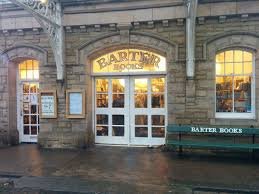
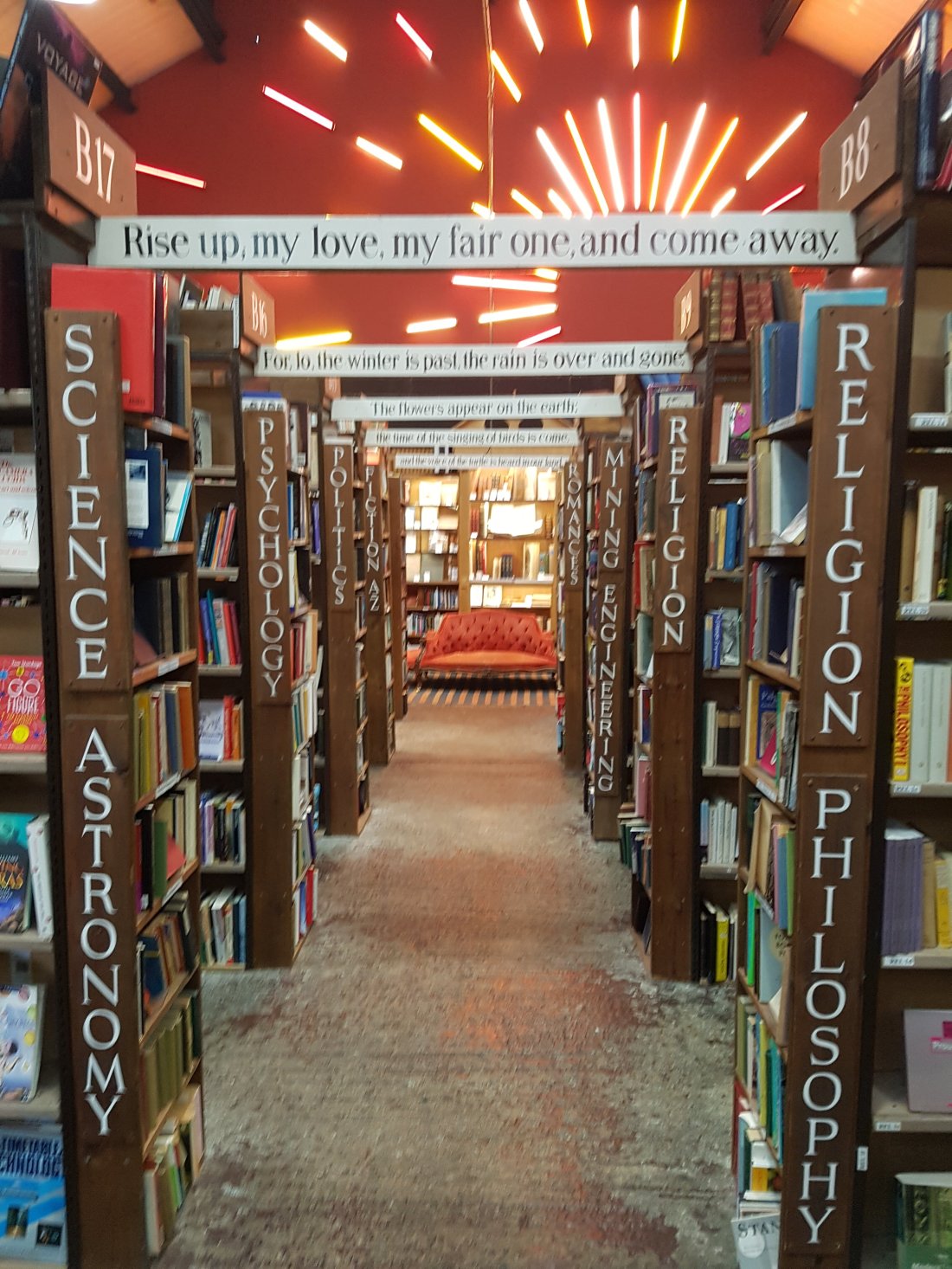
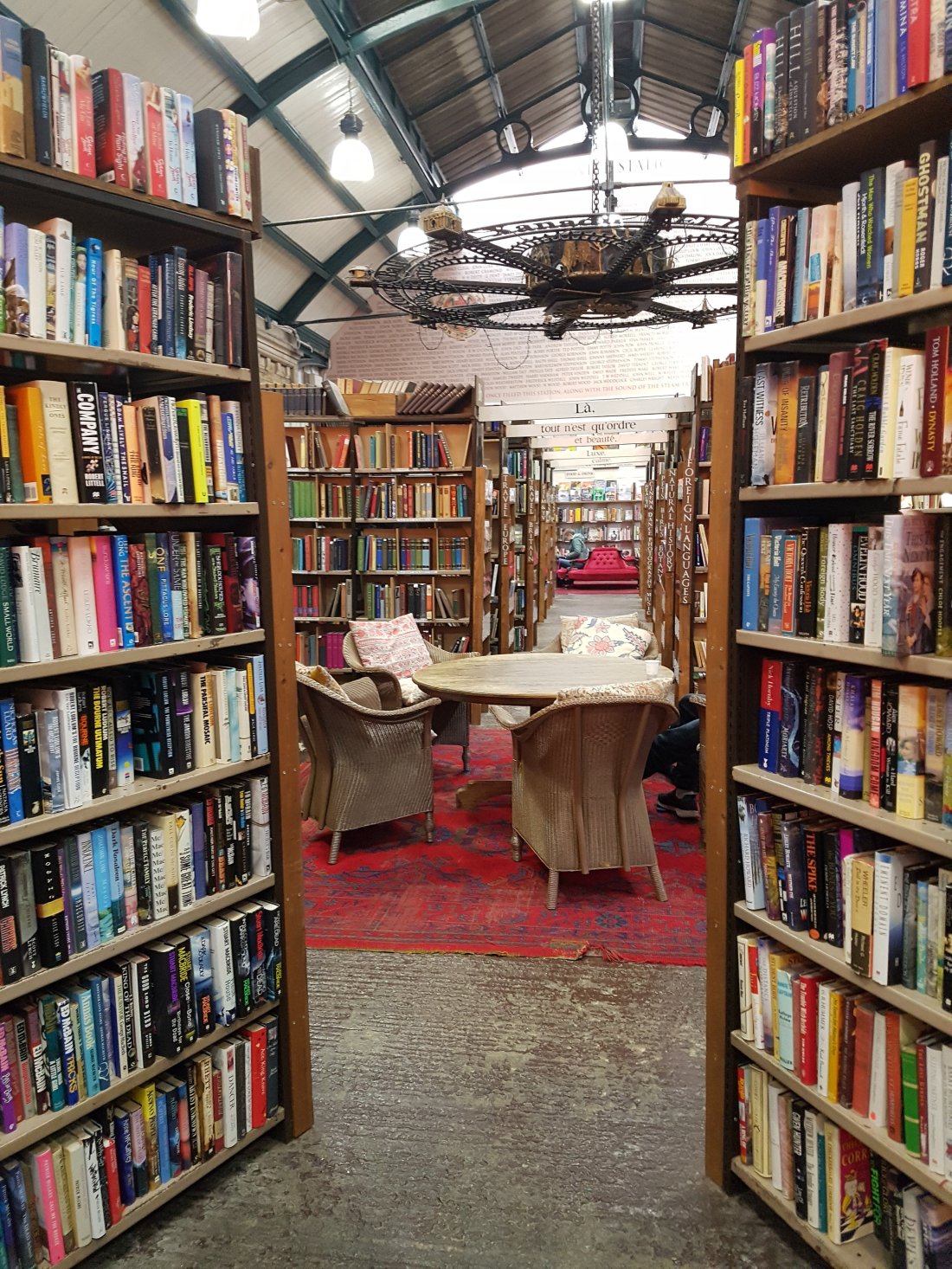
If you’ve already read my last post, you’ll be aware that a trip to Barter Books was probably not the most exciting thing I did last Saturday, but it definitely came a close second. I’ve loved Barter Books since I was little, and I’m old enough to remember when there was also a branch in Seahouses (yes, that was a thing, my parents actually know the people who used to run it so that is a verifiable fact), so it wasn’t a new or particularly novel – no pun intended – experience going there last week, but that absolutely didn’t make it any less enjoyable.

I’ve written before about using libraries, and how being able to roam freely to lose yourself in new characters and adventures with no cost incurred is just so incredible for a bookworm like myself, and definitely something that people generally don’t take enough advantage of; and the same applies for Barter Books, or secondhand bookshops generally. It’s so thrilling to be able to rake through the shelves with no idea what you might find, it’s like going treasure hunting without running the risk of accidentally touching a worm.

No disrespect to Waterstone’s, I’m still a loyal member of their rewards club, but you know what you’re going to find when you go in there; even if you leave it a few months or even a year between visits, the same authors tend to feature on the ‘buy one get one half price’ stands, and the same genres are in the featured positions on the shelves. With a second hand bookshop, that’s different no matter how often you go in because they get a constant churn of new, pre-loved stock. The sad thing about high street bookshops is that, unless a novel is a ‘classic’ or the author recently published something new and they’re trying to re-promote their previous work, books have a very limited shelf life. After a few months, sometimes even weeks, they get demoted to the general A-Z fiction section, where they go to die. I know that if there’s something you particularly want there’s always a keen, helpful bookseller at hand to order it for you and make other recommendations, but personally I don’t always know what I like until I see it in front of me. If I want something entirely new and undiscovered to read then I need to rake, and if the next ‘right’ book for me to immerse myself in is over a year old then, sorry, but I’m unlikely to find it on the high street.

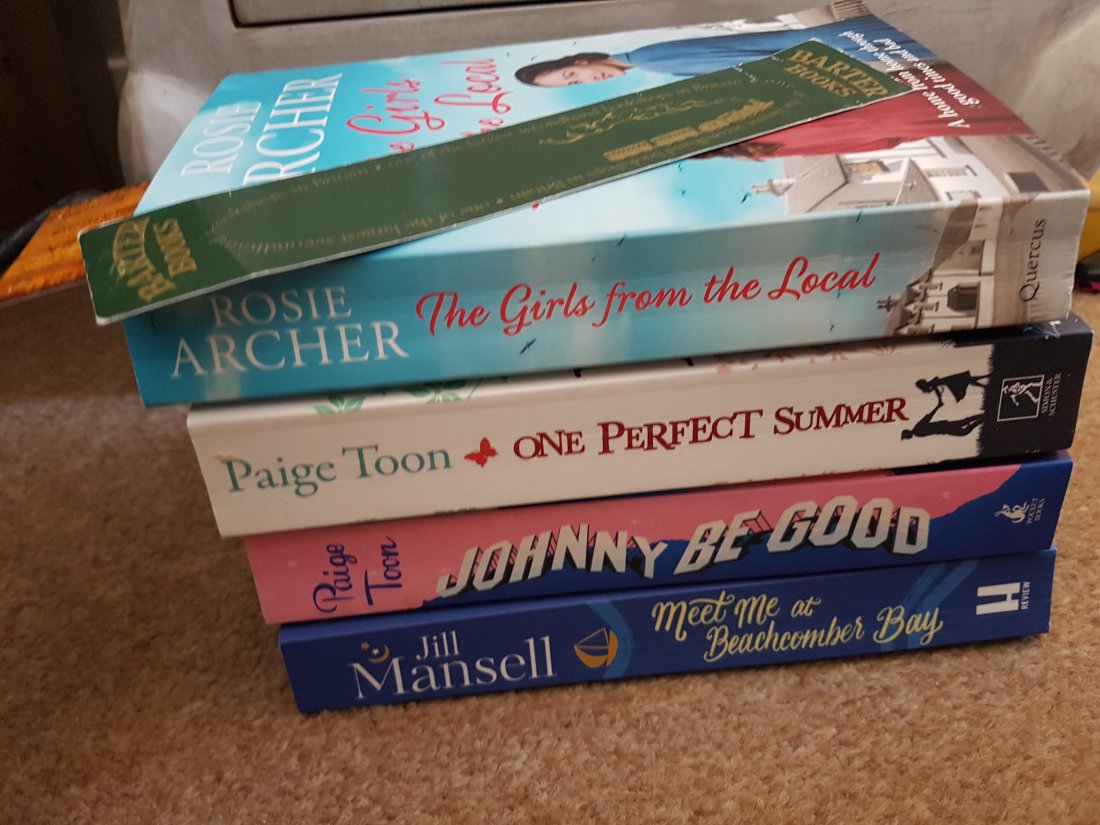
I tweeted recently about how to spot a great library book, as I’d just checked out a book where the date label was almost totally covered in date stamps – a sign that it had been loved more times than Stormy Daniels (I am absolutely not one to condone slut shaming, but you get the point I’m making). A similar technique applies when in a second hand bookshop, the more battered the cover, the more creases in the spine, the more likely it is to pique my interest. No, we should not judge a book by its cover inherently, but if said cover implies that the book has been read and re-read multiple times, then it’s definitely worth a look over the blurb at least. And if that hasn’t persuaded you already, just think of the savings. Last week I got four fairly recent paperbacks for less than £10, rather than the usual £7.99 each, just because someone else has cracked the spine first. I can’t speak for other secondhand bookshops, but Barter Books has a system where you get credit for bringing used books in, which you can spend on new ones, so if you’re a book junkie like me this is a much safer way to enjoy your habit and soften the guilt of parting with your old books – I’m fairly sure my parents have never actually used cash in that shop. And if nothing else, they have free tea and coffee, a warm fire and a range of other customers’ dogs to pet.

The Dawn of the Bridezilla

Wow this has been a tiring week, after a very long drive to Northumberland and back (thank you, A1 traffic jams) last Saturday and a wild Sunday celebrating the dog’s birthday at the Doggy Diner, I’ve been collapsing into bed at nine o’clock most evenings. Oh, and I also suppose I’m a bit exhausted from carrying around this HUGE engagement ring (Phoebe Buffay, 2004). I may have left university over two years ago, but the ability to reference in the Harvard style will sadly remain burned into my brain until I die. But yes, on a far lighter note – I’m engaged!

I’m not one to air dirty laundry on a public forum (I save that for my group chats and coffee breaks at work while the kettle boils, I’m not a monster), but after almost nine years together this did come as somewhat of a relief. One of my best friends described it as ‘feeling a sense of peace ripple around the world’, so if you opened your curtains earlier this week and saw The Westboro Baptist Church skipping down the street, arm in arm with the cast of Queer Eye, don’t be alarmed – they’re all just so happy I’m finally engaged. So peaceful and relieved I was last Saturday, with an ice cold glass of M&S champagne and a hot bubble bath and a bridal magazine; feeling smug that it was finally my moment and that my wedding would be the least stressful, most fun and yet somehow chilled out day anyone has ever had and – wow, that was a nice twelve hours.

By Sunday evening, I was ready to throw my phone into the sea Carrie Bradshaw style and ask Jack if he had still had the receipt for the ring. I was just so completely baffled that one, albeit gorgeous, small piece of jewelry was capable of inviting so many unwanted opinions. Do diamonds emit some kind of hologram, invisible to their wearer, which says ‘please, tell me more about what you think a wedding should be’? Because I think mine might! While I’m not naive enough to have thought planning a wedding with someone who has a huge family would be an entirely zen experience from start to finish, I really did think that old classic – ‘it’ll be different when it’s ours’ would apply at least partially. Snowballing from that – I’m also now less certain that if I have children they definitely won’t cry unless there’s a legitimate reason, they absolutely won’t need dummies and that I’ll teach them to sleep through the night by their first birthday.

After a full week of hearing everyone’s opinions about what kind of wedding I should have and more than several variations of ‘shall we just book a registry office and get this over with?’ with my other half; I’ve drawn the early conclusion that yes, planning a wedding can be stress free; but only if you’re prepared to be brutal. I would never go as far as saying I ‘respect’ Theresa May (there’s little to no chance of me saying that about any Tory ever), but I have come to the realisation that pleasing everyone is a really, really difficult job; so in some cases it’s better to just do what you think is best and sod everyone else. At least the biggest decision I have to manage at the moment is whether to bother with a wedding breakfast or just go straight into canapes, though at times I do think it would be easier to negotiate a hard or soft Brexit. Theresa, if you want to swap, you can find my email address on the ‘contact’ page.

Do I Heart Lindsey Kelk?

I have had the first three I Heart books on my shelf for god knows how long. I read The Single Girl’s To Do List about six years ago and loved it, but just never got round to reading any more of Lindsey Kelk’s work. After seeing her at a signing a couple of months ago, I was reminded of how much I’d enjoyed that book, so I started on the I Heart series and finished them all in a fairly quick succession. So, I’m going to do my best to de-tangle them in my head (much like after a particularly vigorous spin cycle on the washing machine) to give my verdict on each, and on the series overall.

I Heart New York is the first instalment in the series, where we meet Angela as a broken hearted mess who spontaneously gets on a plane to JFK with a carry on case and the clothes on her back. This one felt very much like a rom com, with spontaneity that completely defied logic – how did she get on a plane to New York with no visa? How did she really afford all that expensive make up and designer clothes? Why was she not at all bothered about getting her share of the house she bought with Mark? Surely that could’ve solved her financial problems, but logic seems to have no place in Angela’s mind. However, like a good rom-com, I found myself overlooking the technicalities and just enjoying the overall story – and who wants to read a book that’s too much like real life anyway? If I wanted to read about credit card debt and career disasters I would start a diary of my own life.

Next comes I Heart Hollywood which, to be brutally honest, doesn’t need to be in the series. I really don’t like to be negative about books because I know someone spent a long time pouring their heart into it and it feels petty and unnecessary to ruin that, but this one was a bit forgettable if I’m totally honest. I Heart New York could very easily have been a standalone book, so the sequel was always going to be difficult to get just right, but I really didn’t get the whole idea of James Jacobs. He was being a complete twat to Angela the entire time, and as much as I’m sure it wasn’t meant like this, the issue of his sexuality and him covering it up with all these ‘beards’ came across as a bit stereotypical and erring on the edge of homophobic. It was all intended as part of an intriguing plot twist, which it was, but for me James’ controlling manager wanting to cover everything up and the George Michael-ing in the toilets did come across as a little bit cliché – as if gay men automatically have to be massive sluts. Again, Lindsey Kelk is a lovely person who I’m sure did not intend for that to be implied, but my interpretation of this book is that it was a bit plotless and slightly insensitive.

I Heart Paris is where it started to really feel like a series to me, as regular characters were starting to become more familiar and given deeper back stories so I became quite invested by this point and was actively wanting to finish the whole series and find out what journeys the characters embarked on. There was very little of Jenny in this book which is possibly why I enjoyed it so much, but it probably had more to do with Angela and Alex’s relationship starting to get quite serious and I became quite invested in that. It was important at this stage to start seeing Alex as an entity in himself and not as Angela’s boyfriend, otherwise the series probably couldn’t last as long, so it was a good palette cleanser learning about his back story and getting to know his personality and more about his life outside of being with Angela.

I Heart Vegas would probably be ranked just above I Heart Hollywood for being a bit of a filler book. Parts of it felt a bit irrelevant, for example all of Angela’s partying with James Jacobs and Jenny’s model friends really made me start to dislike her and it seemed to me like she stopped caring about her career or her relationship with Alex as much, and wanted to have a little ‘woe is me’ pity party. However, as I will elaborate on later, it is good to have a flawed main character that you start to root for to do better. If I was Angela’s friend, I would certainly have been sitting her down with a cup of tea at this stage and talking to her about her poor decisions. Alex certainly puts up with a lot from her overall, but especially so in this one. Having said that though, the proposal at the end is unbelievably cute and one hundred percent hashtag goals.

I heart London is definitely in the runnings for my favourite in the I Heart series. The main thought I’d had until this point about Angela was that I didn’t quite understand how she could just drop everything and move abroad and abandon her friends and family with no real explanation as to why. I had assumed from the first book when Angela’s mum stayed in her room after Louboutin-gate that they had a close relationship, and I never really understood her relationship with Louisa and her never telling Angela about Mark and his mistress. It was necessary at this point in the series to delve into who Angela was before she came to New York, and definitely put all her thoughts and feelings into proper context for me as a reader. Similarly, seeing Jenny so vulnerable throughout this book (and her being put in her place by Louisa which was a personal highlight), definitely made me appreciate her character much more than I had I previous instalments. Yes, I still don’t like her overall as a person, but after I Heart London I started to understand why she has certain flaws and how she can come across as quite harsh and controlling but that this is more of a front to protect herself.

I Heart Christmas was a little bit disappointing. As a self-professed Christmas enthusiast I was really excited for this one, but it didn’t feel as Christmassy as I’d hoped it would. I thought it was more just that the story happened to take place at Christmas, like Die Hard, and not a Christmas book in itself, so that was a bit of false advertising if you ask me. This story was, although enjoyable overall, a bit of a filler book. It was great seeing Angela’s magazine taking off and her becoming a career woman, and tackling the issue of whether women can have a career and a family which is relevant for so many women still, Angela’s treatment of Alex over the issue of having children was horribly selfish and really put me off her for a while. I don’t think it’s right at all to call a woman selfish for wanting a career instead of a family, and I think all women should be able to have full control over that decision, but I do think she maybe should’ve cleared that up with Alex before rushing into marrying him, and she seemed generally incapable of having an adult conversation about it so I got a bit bored of her constant pouting. Also, she really needs to stop taking advice from Jenny because she’s even worse.

I Heart Forever is the latest, and as far as I’m aware not the final, instalment of the series and is tied with I Heart London for my favourite one. This one seemed to have a great balance between career drama, friendship drama and relationship drama so I didn’t feel like any of the plots were being dragged out further than they needed to be, which has been the case with some of the earlier books. Once again, we find Jenny being a selfish bitch, this time about getting engaged, but Angela does seem to grow a backbone at this point and challenges her a bit which I did enjoy. Seeing Angela trying to deal with various crises without Alex was an interesting change of pace as well, as I hadn’t seen Angela single since about chapter three of I Heart New York, so it definitely helped the reader appreciate her as the leading lady. I’m really liking Angela’s parents playing more of a role in the story now as well, as a nice reminder of where she came from and why she does and thinks certain things.

On balance, although this is generally a more negative review than I like to write and I feel really guilty about this, I did generally enjoy the series as a whole. I wouldn’t recommend reading them as standalones, apart from possibly the first one, because I don’t think the characters can be seen to their full potential in any of the books without the context of all the others. I am looking forward to the next part of the series and to see how Angela tackles motherhood, hopefully she matures a bit more but probably won’t if Jenny is still kicking about at this point.  I do think this series would make a very successful couple of films if the filler plots were cut out – if done correctly I think Angela Clark has the potential to be the millennials’ answer to Bridget Jones. Even though I rolled my eyes when Jenny went back to Craig for the umpteenth time, and tutted at Angela for being such a brat when she’s wedding planning at home in I Heart London, I understood why those two characters would behave like that within those situations. Too many authors create characters that are overly perfect and immediately get you on their side, so you can never really look at them objectively and unpick them. Until recently, it was a massive taboo to point out what a massive selfish bitch Carrie Bradshaw is, because we were all expected to want to be her and were too busy ogling over her sex life and wardrobe to step back and realise that she wasn’t living this perfect fantasy life; so it has to be said here that Lindsey Kelk does do character depth extremely well and even though you don’t always like them, you still enjoy reading about them. Overall, I’d give this series a 3/5; worth a read but I wouldn’t personally put myself out to make time to read it.

Review: Victory for the Shipyard Girls

Writing a book review without spoilers is very near impossible, but what’s the point of bigging something up and telling everyone why they should be reading it and then ruining the excitement of plot twists? So, I’m going to try my best to explain why I love this saga so much and persuade everyone to go out and buy it so I can have somebody to enthuse with; without revealing any major plot points. Sigh. Here goes.

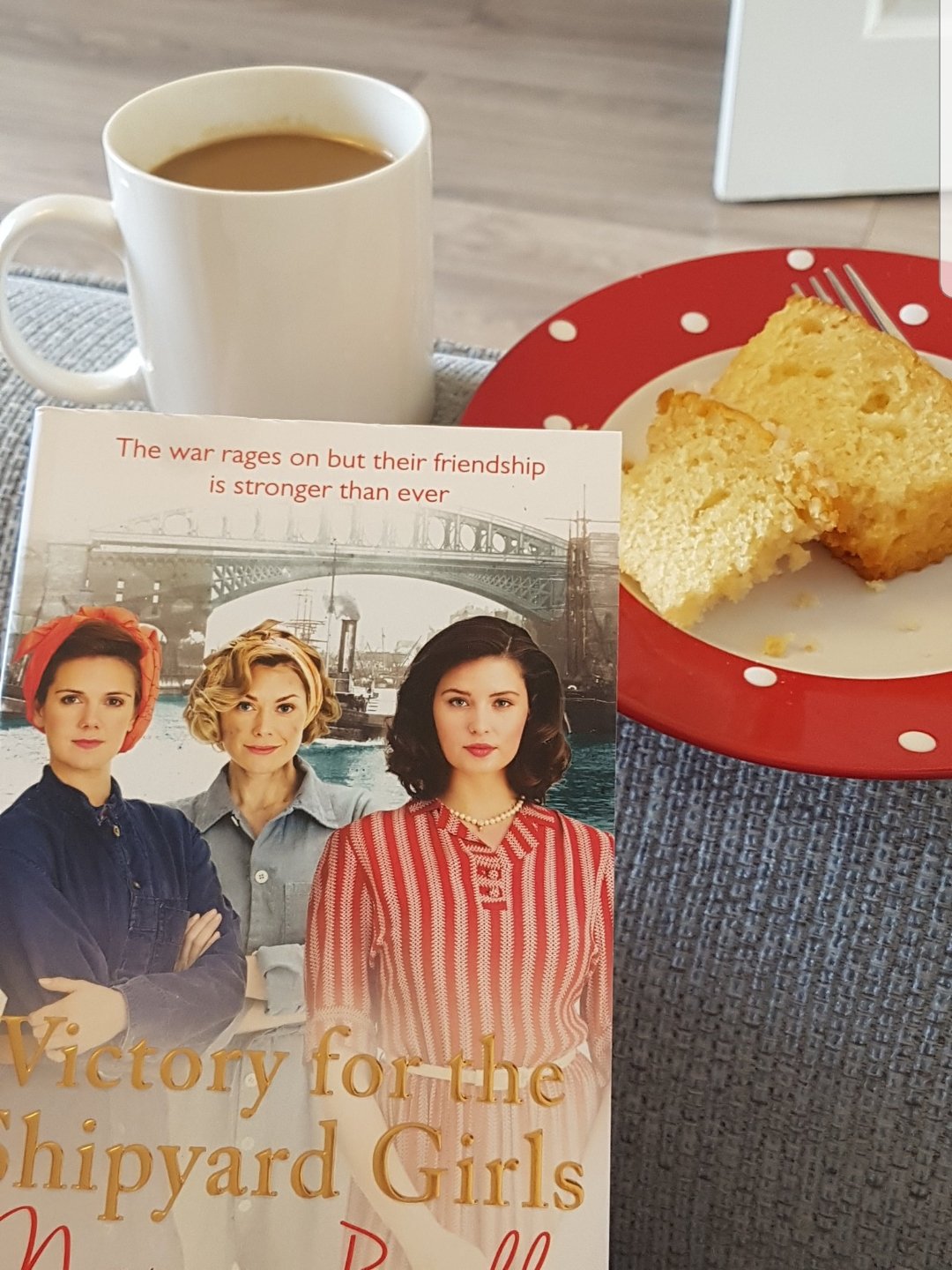
I’ve been meaning to write this post for a while, as The Shipyard Girls is currently my favourite book series (having binged them all earlier this year while I was on holiday), but the latest instalment: ‘Victory for the Shipyard Girls’ is published today so it felt like a more apt time to start some Shipyard Girls hype. I actually got my copy at the weekend because I’m so very special, or Waterstones are just extremely organised with their pre-orders being shipped (probably the latter), so I spent last Saturday curled up with my trusty squad of Women Welders and, as usual, I loved every page of it. It’s really difficult to review individual books when they’re part of a series, even more so when you’re me and tend to binge a whole saga in one go, so this review is going to be a more general review of the series and explanation as to why I love it so much. As I’ve mentioned in previous posts, part of my current job entails overseeing a local library so I spend a large portion of my day talking about books (aka living the dream), and other staff have given me a bit of stick for going on about how much I love The Shipyard Girls, with one person coining the series as ‘one of those old lady books’. I know you’re only as old as you feel, but at twenty four I don’t generally class myself as an ‘old lady’, or indeed as a lady most of the time, so I can say with a reasonable degree of confidence that these are not exclusively ‘old lady books’.

I started the series with fairly low expectations – they’re always promoted in my local Waterstones and I was after a new book for my 24 hour round trip to America, so it seemed to fit the bill, but I was absolutely hooked before the ‘fasten seatbelt’ sign had gone off. The story takes place in Sunderland which is possibly why it appealed to me – there are few things more exciting than media references to your entirely unremarkable home town and I still get a little thrill when I read about these characters exploring the streets and landmarks around which I grew up. Having said that, I wouldn’t go as far as saying this series is a favourite because it’s directly relatable to me – since it takes place during the Second World War. I am somewhat of a history nerd, but again I wouldn’t say that is the main appeal of this series, because ultimately I think Nancy Revell could write this group of girls into any time period – from the Stone Age to a post-apocalyptic world after Trump inevitably destroys us all, and you would still immediately feel like they’re friends you’ve known for years after three or four pages.

Strong characters and a good plot are the foundation of any decent read, and it certainly seems like Nancy Revell knows how to do both to the nth degree. The character development is so striking but at the same time so well paced that you don’t notice it happening until it hits you in the face (in the best way). Having had a break between finishing the first four books and waiting for the fifth to be published, I now want to go back to April Me and say ‘guess what happens with Helen?’ or ‘You’ll never guess how things pan out with Gloria and Jack!’ and April Me would be absolutely blown away. And it’s not just the depth of detail within the characters that makes the reader get so invested, but their qualities; I am rooting for every single one of these women (except Miriam, bitch), even Helen and Pearl who I absolutely hated at the start. Each of them has such a rich and complex back story that you can’t help but love them, and they’re all so ferociously strong, overcoming ridiculous traumas and obstacles while trying to make space for themselves in a male dominated world that I just want to blast Christina Aguilera’s ‘Fighter’ and shout “yessssss, queens!” from the Wearmouth Bridge. Don’t get me wrong, relatable book characters are fine, hell, Bridget Jones would make the list for my fantasy dinner party, but what makes a story better than fine are characters who are not just relatable to the reader but those who also have a real strength and endurance to them that makes you think ‘wow, she is bad ass and I wish I was that fierce’.

As a self affirmed lover of ‘chick lit’ (I embrace that term, see earlier blog post, I don’t see any level of shame or guilt in it), this series is a really great palette cleanser as it has all the crucial elements of chick lit – initial heartache but eventually winning the man, strong friendships, tears, male leads that make all our boyfriends seem inadequate; but it’s all happening in a totally different context. It’s chick lit but without the lead female being a journalist in London or a shy waitress in a village tearoom – these girls are discussing their relationship issues over live welds while literally bending metal to put ships together that ultimately defeat Hitler. That’s a little bit different to your average Paige Toon or Jill Mansell (not that I don’t still love those two authors all the same!). Plus, this story isn’t centered around one girl and her secondary character friends; there is no Kelly or Michelle in Thompson’s shipyard – everyone is Beyonce in the Women Welders squad. All the characters are central, which allows for so many intertwined stories, and is ultimately what I think makes this story last over so many books without coming close to feeling tired or done, and it could easily continue over at least another few.

Well, if you aren’t convinced at this point that this series is worth trying out then I give up. Who doesn’t love some heartache and bitchy backstabbing drama peppered with strong friendships and Feminist overtones throughout? I am actually so obsessed with this series that I really wish it would be made into a TV drama; and I have never said that about any book ever – usually nothing upsets me more than a beloved book being made into a film or TV series because they’re always sub-par (I’m looking at you, Girl on the Train) – but The Shipyard Girls is so intensely great that even a half-arsed TV version would still be amazing – though I don’t think Nancy Revell would allow such an injustice. And neither would I, unless I wasn’t cast to play Rosie…

The Shipyard Girls is best enjoyed with coffee and cake in a big comfy chair.