Review – I Heart Hawaii

I don’t watch ‘Game of Thrones’, but I have social media and speak to other members of the human race, so I am very aware that a good ending to a franchise is important and how people do get a little bit upset if an ending isn’t seen to do the story justice. I binge read all of the other ‘I Heart’ books last year, and although I do like Lindsey Kelk’s writing generally, I did find myself getting a bit bored by the time I got to I Heart Forever, and was wondering whether another book would be overkill. The characters were getting to a point of needing their happy endings tying up so they could walk off into the sunset, and Angela’s chaotic lifestyle of jetting around the globe spending silly amounts of money with her OTT friend and generally ignoring her adult responsibilities was, although very fun to read, getting a bit unrealistic. This sounds like a scathing review, but I would like it noted on record that I do generally enjoy this series, and was hooked on the first two to three installments, but some ‘I Heart’ books were better than others, which is always going to be the case in any series. Season five of friends is extremely forgettable, but doesn’t mean it isn’t enjoyable to watch.

I Heart Hawaii is probably my favourite book of the series in terms of overall enjoyment. I’d tie it with I Heart New York (the first installment) for content and storyline, but I Heart Hawaii has the advantage of containing characters which the reader has already come to know and love, which makes the ending that bit more special. I felt that in this one we saw a different side to most of the characters too, which made it feel really fresh and that is hard to achieve after so many installments. Jenny has grated on me as a character since book one, I know she’s important for driving Angela’s character development and is integral for the overall plot, but I’ve always found her to be selfish, ego-centric and totally dominating towards Angela – she is just generally someone I wouldn’t personally like to be friends with. However, without revealing spoilers, in I Heart Hawaii Jenny’s vulnerable side comes out, which made me appreciate her character so much more and was maneuvered very eloquently by Lindsey Kelk, because vulnerability and Jenny Lopez don’t naturally go together, but it felt very genuine and believable, without taking away from her overall characteristics.

I Heart Hawaii showed the biggest change in Angela too, she started off as a kind of poor woman’s Carrie Bradshaw but a version who actually values her friends and doesn’t have appalling taste in male partners, with the genuine balls to take leaps and pursue her dreams which is what captivated the readers, though she went off track a bit and became a sort of celebrity hanger-on in the middle of the series, so it was nice for her to come back down to earth and become a real ‘grown-up’. Seeing Angela’s genuine insecurity too was refreshing, because she seemed to quickly become really confident with her new life in New York without issue or self-doubt, which for someone with anxiety, I found a bit hard to comprehend, but seeing her trying to navigate motherhood and a new career while feeling like she isn’t getting it right most of the time is something that resonates so strongly with everyone. It felt a bit like after the readers had gone on all the wild ‘I Heart’ adventures with Angela and her famous friends, we came back to Earth in the final book to touch base with our friends and our first love, New York City.

I don’t want to spoil it for anyone who is yet to read this book, or who hasn’t made it this far into the series, but I can say with confidence that everyone gets their storybook ending, some of which I would never have seen coming in book one but as the characters developed over their journeys I definitely feel they’ve been rounded off properly. And it was really nice to have a book which took place mainly in New York; while it has been fun exploring new cities with Angela, it was New York which captured her and all of our hearts so it felt only right for her story to come full circle in the place we all ‘heart’.


The Bridezilla Diaries – Lessons Learned

It’s currently T-minus twelve weeks until I become a married woman. That is terrifying. In one way it feels like I’ve been planning this wedding for my whole life (probably because it’s aged me about fifteen years within ten months), but in other ways it’s flown over. With hindsight, like most things, I look back over it now and there are definitely things I could have done differently to make it easier for myself, and things that I wish I’d known before starting the process. So, like the generous person I am, I thought now is about the right time to pass on the wisdom from one bridezilla to the next cohort of bridezillas. It’s too late for me, but with the following suggestions it’s not too late to save yourselves!

People will be interested in your wedding. 
It sounds obvious, but I definitely underestimated this. The only thing I find more boring than going to other people’s weddings is hearing about other people’s weddings (well, that and maybe Star Wars films). I have no interest in how much someone spent on a cake, what flowers they’ve chosen, or the difference between ivory and off-white (spoiler alert: they’re the same damn colour); because I am a normal person. Sadly, not everyone on this planet is normal, and some people feel a need to ask you about your wedding plans every time they see you. So, if you see a lot of people in a given day, that’s a lot of small talk. The best way to handle this is to not answer honestly. I made the mistake of providing an honest answer to “how much does your cake cost?” in the break room at work and got an uncomfortably long lecture about what else I could have bought with that money. My advice is to rehearse a set “yeah it’s ticking over nicely, it still doesn’t feel real though and I’m sure there’s something I’ve forgotten”, because you will be saying it approximately ten times a day for at least a year.

Give an early RSVP deadline.
Again, I am a normal person; so when someone invites me to an event which is a significant time away, I immediately provide confirmation as to whether I can or cannot attend, and write the date down. However, other people are not normal. Other people think that it is perfectly acceptable to spend ten months providing vague excuses about possibly going on holiday or possibly not having a babysitter; or confirm they are coming and then decide they have a better offer, and even decline but are then unable to find anything better to do and so backtrack and decide they are coming. I know, it’s stressful – there is a reason my hair started to fall out during this process. So, do not make the mistake of assuming that your extended family and friends are competent adults. I made the fatal error of giving people a nice long time to RSVP, which just allowed for people to change their minds and/or drag out the clearly very difficult task of ticking “yes” or “no” and putting a stamp on a piece of paper. I know, it’s a challenging task which clearly takes months. Make an early cut-off date and stick to it.

Enjoy the lull in the middle.
The start of planning your wedding is so fun. Bridal magazines, Pintrest boards, wedding fayres; just spending time soaking up ideas and enjoying having a ring on your finger is great. Also great is the last couple of months when everything falls into place and your venue show you how everything will run like a well-oiled machine on the day, so you can finally picture it all coming together. There is however a quiet interval between those two time periods, which I found incredibly unsettling. Going from constant shopping and reading endless reviews of various suppliers to having nothing to do but wait for RSVP’s (see above, that can take a long time if your family are inept), is unnerving if you’re a stress head like me. I had a constant fear that I should be doing something, and a paranoia that my wedding had been forgotten about – why was my planner not emailing me? Why were suppliers not checking in? Answer – because they have other things to do. Like the brief minutes of relief between contractions during labour, the down time is important to recharge for the challenge ahead. Do not make the mistake of wasting it by endless worrying about the wedding like I did – find a hobby or just take a long nap.

Look after yourself.
Easily the most important thing to remember, and the main thing that I wish someone had told me. I have never had so many colds in such a short space of time until I started planning my wedding. Stress makes my immune system crash and prevents me from being able to get a decent amount of sleep, so Olbas Oil and Vitamin C have been my friends for the last few months. Mental health is an important thing to keep an eye on too; this is something which has unfortunately always been a bit of a struggle for me, but the process of planning what has to become the happiest day of my life (no pressure) was so overwhelmingly stressful that I had to speak to a doctor about getting extra help to alleviate it and make it bearable. I thought I was bordering on insane, and that there was something wrong with me for not enjoying every second of planning the blissful union which other people would kill to have, but according to Google it’s not uncommon; and I wish someone had told me about that so I didn’t spend months crying silently in the bath so nobody would notice. Look after yourself, however that is best achieved for you: take breaks; delegate tasks to other people; have set times where all wedding talk is banned; do what you need to do to get through.

Don’t become too reliant on advice from others.
This is an easy mistake to make when planning your first wedding. Surely other people who have been married or have helped plan weddings in the past are the best people to assist you? To an extent, yes, but experience planning weddings is not an adequate substitute for knowing your own taste and comfort zone. There is definitely such a thing as too many cooks spoiling the broth, and everyone has strong opinions on weddings. At the end of the day, you and the person you are marrying know best what you like and what kind of celebration you are both comfortable having; and whether something is popular, quirky, expensive or “just what you have to do” should not come into it at all. Stick to your guns and have the day that you both want, even if people take the huff because, trust me, they soon snap out of it once you make it clear you’re having it your way.


Review – The Lighthouse Keeper’s Daughter

“They call me a heroine, but I am not deserving of such accolades. I am just an ordinary young woman who did her duty.”

If there are two things in which I firmly believe, it is that real stories from history about strong women must be told, and the assertion that the Northumberland coast is the best place in the world. Having grown up spending most weekends and every school holiday in Beadnell, it was only natural that this part of the country would occupy a very special place in my heart and, since there are a finite number of tourist sites within the surrounding radius, it also follows that I know more than your average North East person about Grace Darling.

Grace Darling is an extremely undervalued heroine, her picture was recently added to the ‘North East Heroes’ display in the Metro Centre’s Platinum Mall in Gateshead but beyond that I’ve never really heard her name mentioned outside of Bamburgh. As a child I spent many a happy hour combing Seahouses beach for sea glass and occasionally experiencing the thrill of coming across some specific green and white patterned china – real remnants of the Forfarshire wreck from which Grace and her father rescued nine survivors in treacherous conditions. I remember the Grace Darling museum when it was contained within a tiny house on Bamburgh’s main street opposite St Aidan’s church, which has since been renovated into a modern, interactive museum which is absolutely worth a visit. Every time I’m in that region I make a trip to Grace’s iconic memorial in the churchyard, but I’m always infuriated by the amount of people who live in the North East and have no idea about this important piece of history.

The author’s note indicates that Ms Gaynor came across a book about Grace Darling when she was in Alnwick’s iconic Barter Books, which inspired her to write the story. This stretch of Northumberland is a breathtaking place with so much depth and history, of which The Farne Islands is a particularly unique area and is almost a character in Grace’s life, so I have no trouble believing that it would inspire anyone to write about it. I’ll admit I don’t know much about Hazel Gaynor herself, or her other work, but it was clear from how passionately she writes about the events, the location and the rich detail flowing through each of her characters that she was inspired by the legendary story and the wild, untamable North East coast on which it was set; and she was able to completely do justice to both, which, for someone who is fiercely defensive of this part of the country and views it as her home with pride, is a real compliment.

“I don’t belong in bustling towns with their crowded streets and noisy industry, I belong here, with the birds and the sea, with the wild winter winds and unpredictable summers.”

The problem with the legend of Grace Darling is that her courage and heroism is matched only by her secrecy and mystery. She was famously private and closed off, deterring the attention resulting from her heroic rescue with every fibre of her body. So, sadly, very little is known about her personal life and recreations or media adaptations are exceptionally difficult to create. However, this did not stop Hazel Gaynor.

The Lighthouse Keeper’s Daughter follows Grace’s life following the Forfarshire rescue and how it was changed forever; not just through the reluctant fame which followed, but a resulting friendship with the only female survivor, Sarah Dawson, which ultimately leads Grace to possibly finding love. Grace was known for being fiercely independent and dedicated to her duties within Longstone Lighthouse, so history tells us that she never married, and Hazel Gaynor’s interpretation of Grace is just that, but it was still thrilling to imagine another side to her character and a possible paramour. History also tells us that an unknown man from Durham attended Grace’s funeral in full mourning, so there must be a chapter of her story which she managed to keep secret from everyone.

“Although only slight in build, she is possessed of a great strength of mind; a strength which needs no bolstering by the affections of a man.”

Within The Lighthouse Keeper’s Daughter, Grace’s story is intertwined with that of Sarah Dawson’s descendant Matilda who, in 1938, finds herself shipped off to America from Ireland after an unfortunate twist in her life following her meeting a dashing young soldier. On arrival in America, she lives with her mysterious cousin Harriet who is also a lighthouse keeper and, like Grace, uses the lighthouse as a kind of fort within which to enclose all her secrets. Matilda finds some letters in the Rhode Island lighthouse which, although tens of thousands of miles away from Longstone Lighthouse, could contain the answer to the question of the identity of this mysterious man from Durham, and who he was to Grace Darling.

I was gripped by Matilda’s story as well as Grace Darling’s from the first page, and although Grace’s is more “real” in terms of historical accuracy and factual events, both stories were equally powerful and inspiring to read. Although set almost a hundred years apart, both stories are about women who had to overcome physical challenges and rebelled against the conventions of the society within which they existed, and mysterious cousin Harriet’s story, which becomes more prominent towards the end, is much the same.

The Lighthouse Keeper’s Daughter is an inspirational, genuinely heartwarming tale of hardship, loss, love and friendship for both principal female characters who, although they never meet, are intertwined. It was made more special for me by my existing love for The Farne Islands and its surrounding area, however, anyone who was to read this I would defy to not become curious about this wonderful place and to not immediately want to book the next boat trip out there to walk in Grace Darling’s footsteps.

‘Wannabe’ – Sunderland Has Been Spiced Up

Much like bangers and mash, Ant ‘n’ Dec and complaining about the weather, The Spice Girls are a timeless British classic; like a port in a storm they provide reassurance and fond memories of a better time. The late ’90’s was a far simpler, more joyous era (perhaps because I was an innocent child at that point), but I do think if Britpop made a return, the world would be a much calmer place; as it brings everyone together like the shared sense of annoyance within any delayed train carriage in any location within the British Isles.

So, like the mature, professional adult I am, I spent my Saturday night at the theatre. Everything is cultural and high brow if it takes place in a theatre, right? I’ve spent countless happy evenings in the Sunderland Empire, from the annual ballet with my mum and sister to family pantomimes at Christmas, countless musicals and even performing on that very stage myself, I’m always just as impressed by its beautiful Victorian interiors, the grandeur of the bars and the exquisite ceilings. And last night I was able to appreciate that for approximately four minutes; prior to the audience erupting out of their seats as the classic hit ‘Wannabe’ began blaring from the speakers following the curtain raise.

‘Wannabe’ the show is an odd mix between a Spice Girls tribute act and a musical. There isn’t a story per se, but it follows the career of the Spice Girls as both a group and solo artists (who knew Victoria Beckham had a solo single? I must’ve been washing my hair the day that came out), peppered with numerous nostalgic 90’s references: tamagotchis; Nokia 3310 phones; Pepsi cans – it was like opening a time capsule and re-living so many wonderful memories of a well-spent youth. Well, if it wasn’t for the eleven year old child in front of me incessantly asking her mum what all those references meant. When did I get so old?

So, the lack of a solid storyline is completely made up for by the experience of being able to hear classic, amazing songs performed by artists who, unlike the actual Spice Girls, can sing and dance with real competency. ‘Wannabe’ coming to Sunderland a month prior to the real girls’ performance at the Stadium of Light is a blatant marketing tool, for which I was always going to be sucked into buying tickets, but this technique may have actually backfired because the quality of performance in the show far surpasses anything I’ve seen from the Spice Girls, even when they were 20 years younger. I’ve always been a great lover of theatre productions because musical theatre performers are always so unbelievably energised and talented that stories and songs come alive before the audience’s eyes; and being able to experience classic, fun pop songs performed with a level of enthusiasm and talent that actually does them justice has completely upped the ante – the actual Spice Girls should feel nervous to follow that if I’m honest.

The set list was of course an array of Spice Girls classics, but also intertwined with some other classic covers. Having been born in the 90’s I am of course a firm believer in Girl Power, but a vocally competent version of the Spice Girls covering ‘Sisters are Doing it for Themselves’ was like a feminism bomb going off inside the theatre, there was not one bum which remained on their seat. An audience consisting entirely of drunk women and gay men is always going to be somewhat energised, but I was not at all prepared for the level of enthusiasm which this show aroused from its audience. The group rendition of Geri Halliwell’s classic cover of ‘It’s Raining Men’ complete with extremely buff male dancers ripping their shirts off at appropriate moments naturally caused absolute carnage in an audience of hen parties, cocktail-infused women in platform trainers and men who can high kick better than Louie Spence, but, because it’s in an ornate Victorian theatre the experience was, of course, classy and sophisticated at all times.

My only regret about attending ‘Wannabe’ was not dressing up. My friend and I joked about dressing up as Geri and Posh but stupidly, I dressed appropriately for an evening of dinner and the theatre with my friend, so by the interval I was sweating buckets and my feet were blistered beyond belief. The interval offers no relief either, consisting of a 90’s karaoke singalong to classics from the likes of Steps and Hanson; suffice to say I went home with no voice and aches in places I didn’t know could ache. A word of advice to anyone intending to cosplay their favourite Spice Girl – pick Sporty. Because when you’re cutting shapes in the aisles with topless male dancers to ‘Spice Up Your Life’, the last thing you want is to have a nip slip in Ginger’s Union Jack dress or to fall and break your neck in Posh’s stilettos. Any Spice Girls themed event is one of the few occasions where it’s appropriate to wear tracksuit bottoms and trainers in public, so I’m quite annoyed I didn’t allow myself that luxury.

But anyway, I’m off to catch up on my sleep, before digging out my old Union Jack dress and collapsing on the sofa in front of Spiceworld the Movie while planning how to re-design the interiors of my house to resemble the Spice bus.

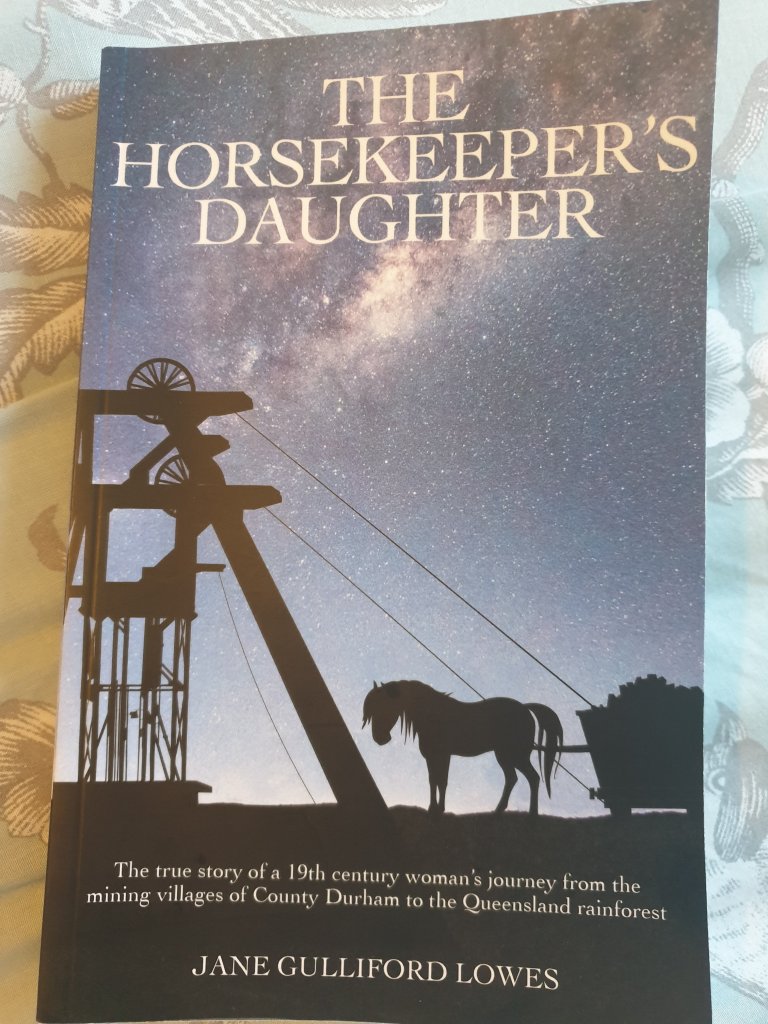
Review – The Horsekeeper’s Daughter

‘The Horsekeeper’s Daughter’ has been sat in my reading pile for well over six months at this point. I seem to start every book review with this disclosure, perhaps I should ask my employer for reading breaks in lieu of smoking breaks so I can actually finish all the reading I want to? That probably wouldn’t go down well. But anyway, I digress as usual. My dad actually recommended this book to me so, naturally, I nodded politely and feigned enthusiasm while putting it in the ‘never going to actually pursue reading that’ part of my brain and forgot all about it. I came across the author much later on Twitter and from a few things she posted about the book, my curiosity gradually got the better of me and I gave it a chance. Now, I’m mostly just irritated that my dad was right about something. There’s a first time for everything, yes?

‘The Horsekeeper’s Daughter’ is very difficult to explain, because it is non-fiction, but reads like a fictional novel. I know, confusing. If I’m honest it’s the non-fiction aspect which initially put me off as I (wrongly) assumed it would read like an academic paper and I just don’t enjoy those at all. The ‘story’ is centred around the author, Jane Gulliford Lowes, discovering her family history through a box of old photos and treasures she inherited from an aunt. Her curiosity about the story behind these photos leads her on a journey of discovery through Victorian Seaham to, ultimately, present day Queensland.

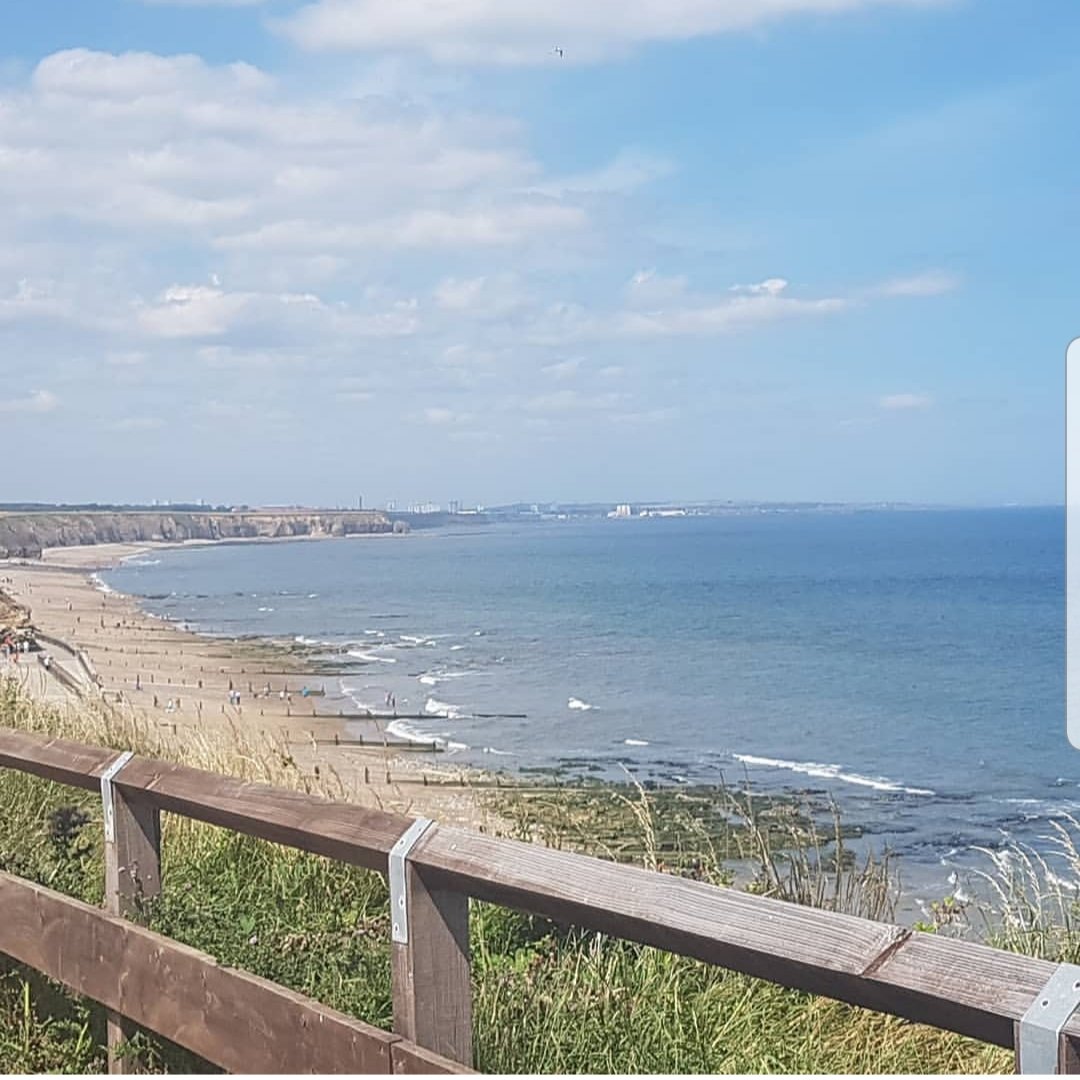
My father’s side of the family are from Seaham (big up the Clyde family who do in fact get a shout-out), and it’s a very difficult place to explain if you don’t know it. To an outsider, Seaham is a bog-standard, North-East ex pit village (think Billy Elliott), which it is in a nutshell but like many places, there is so much more to it and it only takes a slight scratch of the surface to discover a rich history. I won’t go into what a lot of the rest of the North East think about Seaham folk because it’s neither accurate nor appropriate, but it is fair to say that it’s a unique place with quite a niche culture and history; one which even I never truly appreciated or understood, despite having familial roots there.

Although the story is generally about the author discovering her family’s history, the focal ‘character’ of the book is Sarah Marshall, who leaves her family behind and ventures, alone, to Australia on the single female migrant scheme. Absolute power to that woman is all I will say – a single woman leaving everything behind and gambling on the prospect of a better life, especially in 1886, is almost too ridiculous to be true but I LOVE it. It makes me want to say cheesy things like ‘you go girlfriend’, which I would never actually say in real life, but seriously, you go Sarah. I found myself forgetting for the majority of the book that Sarah was actually a real person and this wasn’t some fearless, feminist, fantastic creation by the author for the purpose of a good story. She serves as an important reminder that fact can sometimes be even stranger and more exciting than fiction.

That’s not to downplay the author’s role in the storytelling, however. Sarah’s story is captivating yes, but it’s the writing which brings her to life. The same applies for the locations in which Sarah’s journey takes place; Seaham and Queensland are almost secondary characters in the story and show how environments can be a product of the inhabitants who shape them, as well as the other way around – especially during such turbulent periods of history. The descriptions are completely captivating, which again is so incredible for a non-fiction writer. I still live near Seaham now, so I’m familiar with the layout and a lot of the history, but as I followed Sarah and her family’s movements through the village I was almost seeing a different place; Victorian Seaham was coming to life in my head without my existing impression of present-day Seaham distorting it. I felt like I was discovering a new place entirely which is a difficult thing to achieve, and was really special for me as both a reader and a local.

“Occasionally something happens which completely changes our perspective of that which we know and love. It can be something as simple as discovering a new footpath across familiar fields which affords us a fresh view of our homes in the distance. Sometimes it is the discovery of a secret about a dear friend or relative which can deepen or extinguish the bonds between us. Perhaps it is an event or circumstance or coincidence that casts the familiar in an unfamiliar light, the places we have known and loved for a lifetime seen through a different lens.”

It’s hard to summarise the ‘plot’ with it being a non-fiction story, but I laughed and cried throughout, and enjoyed it every bit as much I would a fictional novel, if not more. The path of Sarah’s family and their lives both in Seaham and Queensland does not run smoothly, but such is the case with real life stories; and I must admit I did quite like that. Sometimes the predictability of a fictional character’s inevitable satisfying end where all the sub plots and challenges are tied up nicely can get a little bit tedious. Jane Gulliford Lowes’ passion for history, especially that of the focal locations in the book, is apparent within every word and is what breathes life into the more factual aspects of the narrative, but the wonderful writing which underpins Sarah’s inspiring story really brings the whole thing together and provides the foreground needed to explore the two unique (yet in many ways similar) locations. The Horesekeeper’s Daughter is a perfect example of how some stories, no matter how humble, simply need to be told.

“No matter how carefully we plot our desired future course, no matter how methodically we map out our hopes and dreams, so often fate intervenes. This intervention can take a myriad of forms.”

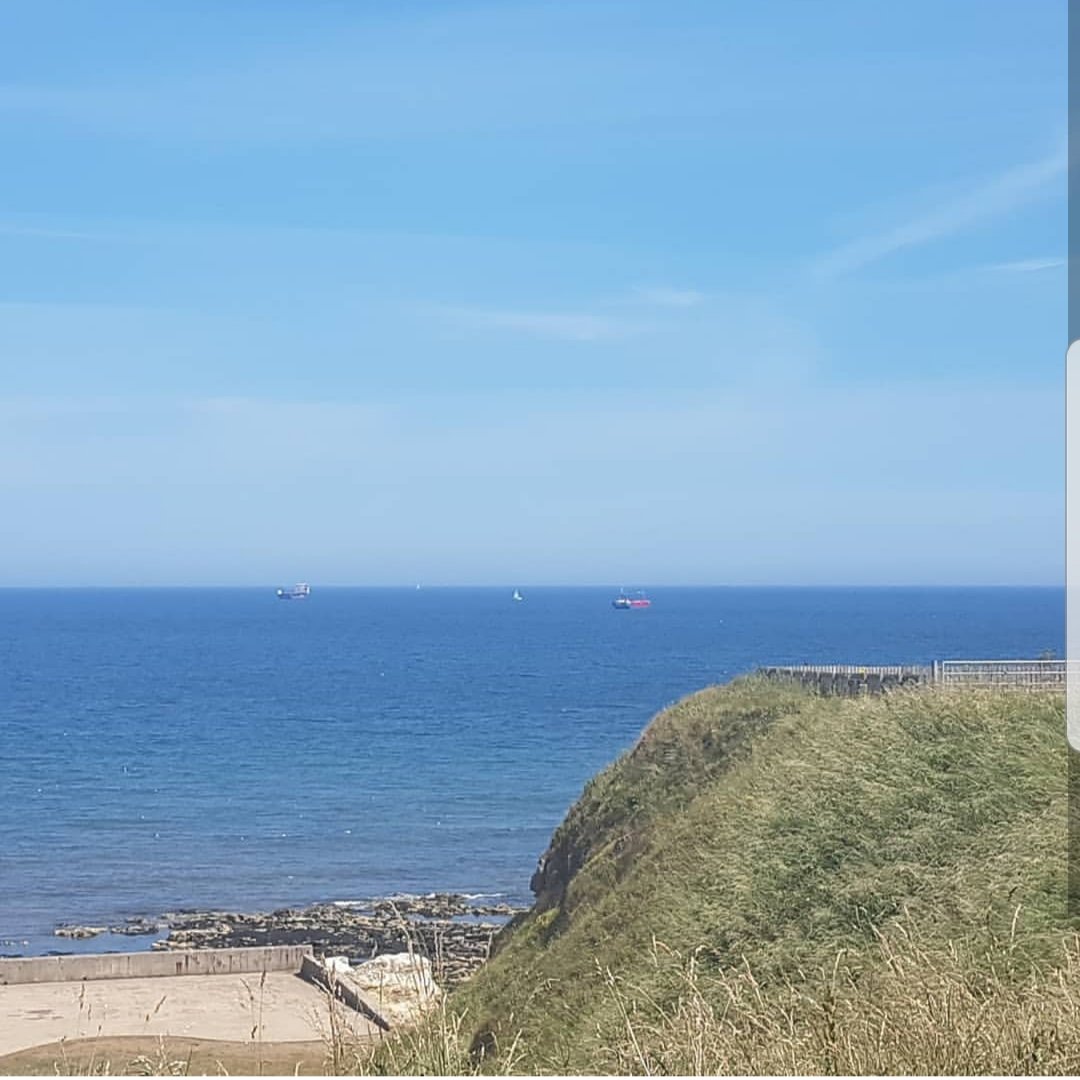
Seaham – definitely not just a bog standard pit village.

Worst Bride Ever

Cynicism is part of who I am. I’m fairly sure I came out of the womb mid-eye roll. My sense of humour has earned me the prestigious title at work of  “worst bride ever” due to my general pessimism towards my wedding day and utter lack of patience with the whole organisation process. Most of the time, it’s met with a (usually jovial) “at least you’re getting married” or “at least you’re not single” over the water cooler. Let me be clear on that one for a minute; I feel incredibly lucky to be getting married in the way I am. I am fortunate enough to be in a relationship which is healthy, stable and (for the most part), happy. I am fortunate enough to be legally allowed to marry the person I want to, doing so without any stigma attached to it, and I am so lucky to be financially stable enough to have the wedding that myself and my fiance want. This does not however, come with a God-given duty to be exponentially happy about it for every second of every day.

There’s a growing trend on social media amongst parents, particularly mums, in which they’re supporting each other and sharing the times when they don’t quite get it right or the moments when they panic and think they’re the worst parent in the world. Now, I’m not a parent, so I don’t profess to understand anything about being an “un-mumsy mum”, or why anyone would care whether your baby gets its milk from a boob or a bottle, but from what I’ve seen – surely it isn’t a bad thing to be honest about how you’re feeling. Giovanna Fletcher, an author I love, is a really big advocate of this and is always raising the point that just because she may have moments of struggle or self-doubt, it doesn’t nullify her feeling of being lucky to be a parent. Again, I’m not a parent and I don’t believe for a second that planning a big lavish party for yourself and your spouse is in any way as difficult or emotionally challenging as keeping an actual human being alive, but I do know it’s really effing stressful; and not something I should have to endure in silence because I “should be glad I’ve got the ring”.

The idea for this post came to me ages ago and I’ve gone back and forth over whether to write it, for fear of looking ungrateful about the fact that I’m planning this seemingly perfect wedding and marrying my school sweetheart. But, somewhere around one a.m. yesterday when I was fighting back tears and trying to slow my breathing down so I could get some sleep ahead of my busy day at work, and trying to switch off the video of the empty ceremony room which was playing on a loop in my head; it occurred to me that other people might feel like this, and might also be telling themselves “I have no right to feel overwhelmed by this because it’s what I’ve always dreamed of”. I realise that sounds completely dramatic, but unfortunately that’s where I was at that night, and not for the first time.

People judge weddings, that’s accepted as a fact. We all do it, women probably more so, and I’ve made the catastrophic error of following my photographer and venue on Instagram. So, every time there’s a new wedding of course I’m zooming in on every picture, critiquing every angle of the dress, how the flowers are arranged, the place settings, everything. I know, I need to get a life, and much like Googling your unusual symptoms, it’s a dangerous game which I realised the hard way last week when I fell completely in love with a particular bride. I’m not going to name her and come across as a weird stalker, but she was absolutely unreal. Her wedding was at my venue and, if I’m honest, I don’t think mine is going to top that; plus, after midnight on a school night, my rational faculties of “but everyone’s wedding is unique to that couple, all brides are beautiful” were off the clock. So what did I do? I did what any irrational, tired woman would do, and I stalked her Instagram. I made it as far back as her engagement party when the heart palpitations started. She looked unbelievably happy and sickeningly in love in every shot – not a hair out of place, glowing at her hen party, posting about how much she was enjoying the wedding planning with her beautiful, supportive friends and family, and here I was crying in the middle of the night about how my wedding is going to be a failure which upsets loads of people in the process and that I probably can’t actually afford, for the umpteenth time.

Instagram is a dangerous place and, when I’ve had enough sleep, I know that the vast majority of posts don’t show the whole truth. This bride almost certainly will have cried over her wedding. She will have had vicious rows with her own and her fiance’s families over the guest list, of course she will have worried about money and definitely will have experienced the lingering guilt in the pit of her stomach over not being able to include her great aunt’s cousin once removed, who her parents tell her is very upset and hurt at not getting an invite. I have enjoyed planning my wedding and I am extremely excited for the day itself, but it is absolutely peppered with guilt about spending my own money, asking other people to spend money, worry about who will talk to who and whether people will be comfortable, and total fear and blind panic about what people are going to think about it on the day and what’s being said behind my back. Hopefully other people feel like this too and this doesn’t turn into a viral post in which I’m labelled a ‘bridezilla’ like the woman who asked guests to pay an entry fee to come to the wedding (honestly, once you tot up the final bill – not a terrible idea). As I said at the start, this does not take away from my ability to enjoy other elements of the process, but a friendly word of advice to anyone who finds themselves in the presence of a bride or groom who is struggling with it, the helpful thing to do is to sympathise and/or offer to help; and absolutely does not include saying any of the following*:

“You’re spending HOW much? That’s obscene!”
“You should just elope”
“Divorce is even more expensive, you know.”
“I eloped, it was so much easier”
“I LOVED planning my wedding it was amazing from the second we got engaged”
“Well I don’t feel like I need a ring to justify my relationship but some people need the validation I suppose”
“It’s just an expensive piece of paper”
“Your family sound like a nightmare, I’m so glad mine aren’t like that”
“It’s just so hetero-normative getting married like that”
“I would never take my husband’s name, it’s so pointless, outdated and sexist”
“Do you know how many holidays that could pay for?”
“Couldn’t you do it later in the day? I’ll be so rushed getting ready for that time”
“I know I RSVP’d back in November, but something else has come up…”
*Returning an RSVP with additional names added who were not on the original invite*
“I’m just waiting for my invite in the post hahahaha!”
“I know it’s your day but can’t I just -”
“But you have to do it that way it’s tradition”
“You’re NOT getting married in a Church?”
*Not RSVP-ing at all*
“I don’t know why you’re bothering with chair covers, that’s a pointless expense”
“But I don’t like that song, you have to have music everyone likes”


*a non-exhaustive list of things which have been said, directly to my face.

Re-reading

Here’s the thing. For someone who reads as much as I do, the one thing people are always shocked to hear is that I have never re-read a book in my adult life. When I was a kid I obviously had my favourites which were regurgitated every bedtime, but past about the age of thirteen I have never thought to re-visit an already completed story. My mum once said that her only fear of dying was that she would die before being able to read every book ever published which, although was meant as a joke, is a very valid point if you ask me. With new books constantly being churned out by publishers, and a whole abundance of already published material – why would you waste time repeating books when there are so many more to discover?

Recently, I’ve been off reading a bit. I know, just pick your jaw back up from the floor whenever you’re ready. I have already posted about losing my mojo generally, which inadvertently led to me putting down the books for a while. But, I think part of it as well was the fact that my chosen read at the time was a book I’ve wanted for quite a while, which sadly turned out to be a disappointment. I’m not going to name and shame, because the book isn’t bad in itself, perhaps it was just not to my writing style, but every time I sat down to read it; it felt like a case of ‘right I have half an hour let’s try and get this chapter finished’ as opposed to ‘let’s try and squeeze in as much reading as I can because I can’t wait to see where the story goes’. Reading is supposed to be fun, and that was not conducive to a good relationship between me and my favourite hobby, so it’s no wonder I lost motivation altogether. It was like coming home to a tedious relationship – which would be ludicrous to continue doing if it didn’t improve. So, as an experiment, I decided to re-read a book I loved as a teenager and see what happened.

Initially, it was a really odd experience. Because I loved this book so much as a teenager, the plot was well cemented in my memory and certain words and phrases triggered memories I hadn’t realised were still there. It was like when you’re really little and running so fast that your legs haven’t quite caught up with your body – I knew what was coming and my brain was working faster than my eyes were reading the words. However, although I thought I knew this book inside-out, at certain points I had wonderful moments of re-discovery, in the same way that smells can trigger memories from childhood which you’d forgotten entirely. Also, and this is possibly because I was re-reading this story as an adult rather than a teenager, I had a couple of ‘penny dropping’ moments with certain plot points which I’d completely missed previously. Again, it’s possibly because I’m now a grown-up who cries at everything and not a stone-cold teenager, but I was really surprised to find myself having a genuine emotional reaction to some tougher chapters. I think this is possibly because I already had that familiarity with the characters – the challenge for authors wanting to create an emotional reaction from the reader is to get the reader emotionally invested in the characters first. When you’ve read the story before, that’s already been achieved, so I was able to enjoy the story in a new way.

So, my experience of re-reading was pleasantly surprising. It’s apt that I’m writing this the day after watching a new film I’d been wanting to see, which turned out to be rubbish and I’m still annoyed that I wasted my Saturday night on it – when I could’ve re-watched Mamma Mia for the fiftieth time and had a great night. I’ve definitely learned that there is nothing wrong with revisiting already-loved stories, in the same way we all love coming home to a treasured favourite film; and, that forcing yourself to read something that you are simply not enjoying is not a good idea. I actually did that last year with a different book (*cough* Wuthering Heights, *cough* I know it’s a classic but it’s just not good), and it felt like wading through treacle to get to the end which was a complete waste of my free time which could have been spent genuinely enjoying something else.

Losing My Mojo

Disclaimer: this not an April Fool’s post.

I realised over the weekend that my last blog post was a month ago, now, I’m not egocentric enough to believe my followers are waiting with baited breath for my new posts, nor are they losing sleep over my welfare due to the recent lack of activity. However, I do feel a need to briefly apologise for my recent lack of attention to this blog, the reasons for which I will now go into – please have violins at the ready.

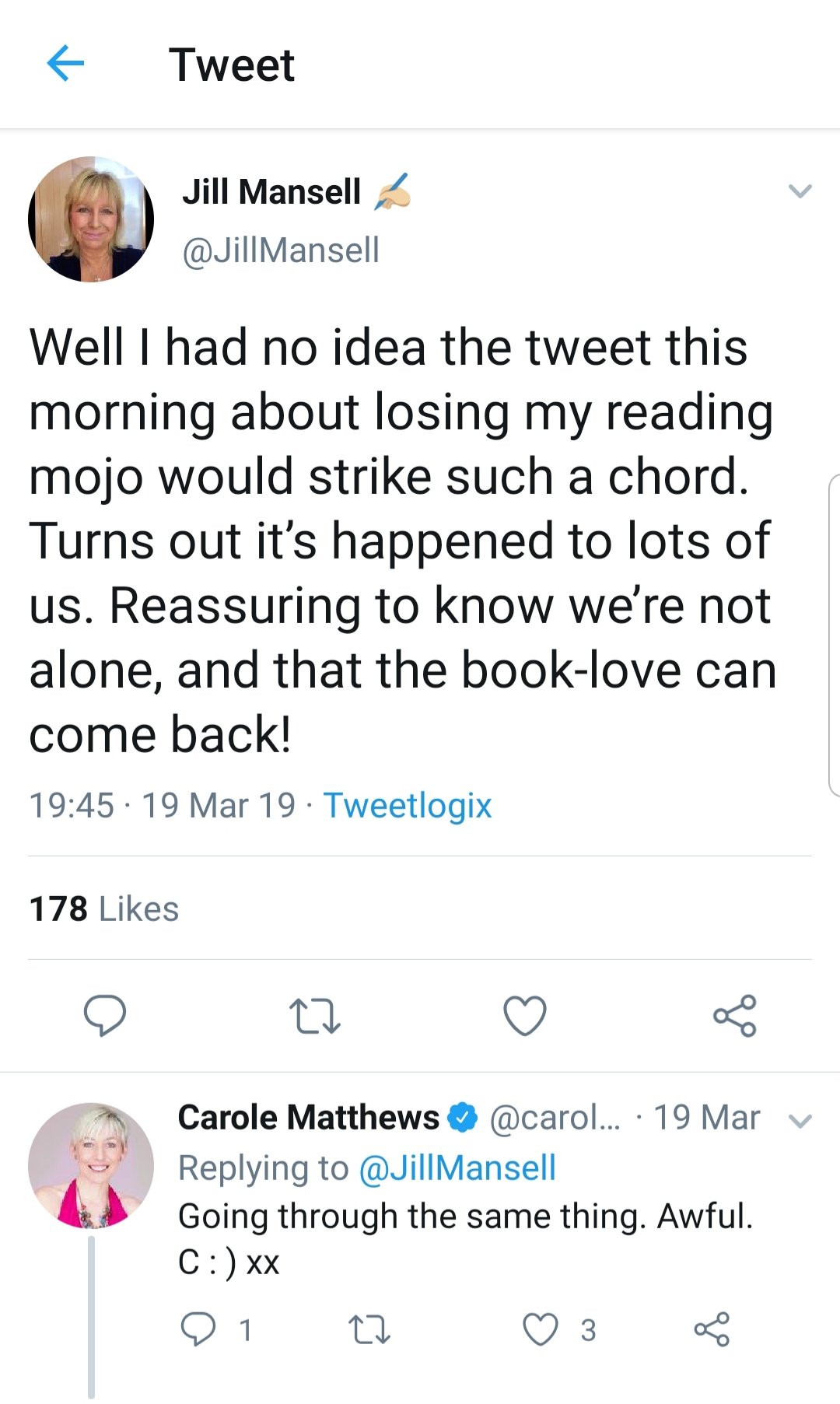
I’m just going to hold my hands up at this point and be honest in saying – I lost my mojo. I wasn’t actually going to write about this, I intended to just draw a veil over the last few weeks, pick up another book and review it like nothing had happened. But, I saw a tweet last week from Jill Mansell talking about how she lost her love of reading for about eight years and recently got it back. Anyone who’s even skim-read this blog will know that me losing my love of reading for eight years is extremely unlikely to happen, but, people responded to Jill with so many similar messages about losing their mojo for reading, as well as other things, and I was really quite surprised.

I am one of those people everyone hates, who seemingly crams 48 hours’ worth of activity into 24 – I work full time in a fairly demanding job, I’m planning my wedding, I read, I blog, I work out, I see all my friends and family, my house is always immaculate and I always have time to cook great meals from scratch. Sue me, I like to appear perfect, okay? Or so I did. Up until about three weeks ago I was spinning all of those plates perfectly; if anything, I was standing on one leg while spinning them all and making it look completely effortless. Like the proverbial duck, I was gliding along the water gracefully without anyone seeing the mad paddling of my legs underneath. But, like all people who attempt this and think they’re invincible, I made a mistake. I took my eye off one of the plates to focus more on another which was starting to drop. And what happened? Within about two days, they were all on the floor smashed to pieces, with me left standing like a lemon and feeling a bit sheepish. At that point, I didn’t want to pick any of them back up. I didn’t want to read, I didn’t want to blog, didn’t want to plan the wedding – for a few weeks it was a case of putting one foot in front of the other as best I could and trying not to cry in public (I failed at that, unsurprisingly).

Around that time, I saw someone on social media post that ridiculous Elizabeth Taylor quote which is always doing the rounds, about pouring a drink and putting lipstick on and acting like nothing is wrong. Well, I tried that, and even a large drink didn’t help. I know it absolutely wasn’t meant to be malicious, but seeing that quote just made me feel ten times worse. The plates were smashed so badly at that point that there was no way I could kick them under the sofa, put lipstick on and pretend like it never happened – all I could do was start gluing them back together and I just didn’t want to. So, what did I do? Nothing. I did nothing at all for about three weeks. I didn’t read, I didn’t write, I stopped bothering with the gym, I even sacked off wedding planning for a bit and I felt awful about it. I went to work obviously, I have a contractual obligation to do that, but I did little else. However, taking that time somehow allowed me to recharge and start formulating a plan to put the plates back together, and then once I’d managed to glue one back together, the others didn’t seem so bad.

So here I am, a month later, gluing the ‘writing’ plate back together. Thankfully this is the last plate to get back in the air, and it’s getting there. I have no reviews to post yet because I’m only just getting my reading mojo back, but, thanks to Jill Mansell, I know that’s alright. It’s slowly coming back, and eventually it will be back to where it was, and now I know that’s fine. Your patience is appreciated during this period of self pity.

International Women’s Day – Getting Over “The Fear”

I know most of you are here for my overly excitable book reviews, and this blog has become very literature-heavy of late, but I do on odd occasions have an opinion on something else. So, today I have decided to bestow upon my readers a piece of wisdom (I know, you’re so welcome for this); something which I thought about writing a while ago but never really got around to – and International Women’s Day felt like the perfect time to share this.

It’s a natural human instinct to be wary of other people. I think ever since we stopped needing to get together to tag team a woolly mammoth and cook it for a communal dinner in front of our caves, humans have been avoiding each other – at least in Britain anyway. Women in particular seem more programmed towards this. It’s drilled into us from a young age to be suspicious of other women. Mean Girls, Bridesmaids, even Sex and the City – popular culture warns us off other women like the road safety advert with the Hedgehogs from the 90’s. Other women are something to be feared and the culture of “I much prefer speaking to men, women bring too much drama” is drilled into teenage and even pre-teen girls; it’s definitely something to which I adhered during my school days, usually when I was on my third fight of the week with yet another ex best-friend.

Although I managed to maintain a solid group of female friends, I definitely carried this view into adulthood. ‘Other’ women are something to be viewed with fear and suspicion, this is a common value to which I adhered by pure avoidance of the enemy whenever possible, so when I moved to my current house and realised that the nearest affordable gym was a female-only, my heart sank. Gyms I’d used in the past were mixed and although women tended to stay together in the cardio section, safely avoiding the prying eyes of the sleeveless men on the weights bench on the rare occasions that they look up from their phones, I never felt there was any sense of unity in this. If anything it was the opposite, I was always very aware of the side eye glares between us all with undertones of “who is she trying to impress with those lashes?”; “is she really taking ANOTHER selfie” and “she is definitely judging my frayed, Primark leggings”. From the moment I joined this female-only hell, I would enter the building with my head down and earphones in, talk to no one and only looking up to ensure I didn’t accidentally walk near a complicated machine and feel an obligation to pretend to know how to operate it.

Eventually, when I realised my motivation was wearing out and I had no idea how to exercise effectively without proper supervision, I got up the confidence to sign up for a class. I reassured myself with the logic that classes are generally less busy than the communal gym since there’s a booking limit and I could hide in a back corner away from the scary women. After a few weeks of attending this class however, something weird started happening. Regular attendees started smiling at me. Eventually, they started talking to me. Scary muscly women at whom I’d previously spent my workout time glaring and thinking “I bet she’s so fit because she spends all her time at the gym due to having no friends and clearly thinks she’s fitter than everyone else”, would chat to me about the weather and joke about how confusing they found the class. And just like that, a penny dropped. Other women were probably just as scared of me as I was of them. Like my boyfriend always tries to say is true of spiders (even though it obviously isn’t because I would never feel confident enough to just chill in someone’s bath and give them the shock of their life when they tried to go in the shower).

So, having become woke to the fact that women aren’t actually that scary, I started going to more classes. Sometimes I even speak first now, and always chat to the newbies who come in and look at me with apprehension that suggests they believe I might literally bite them. Now, I will speak to women that I don’t know. I will ask for help in shops and chat more than the bare minimum that’s required, I chat to my neighbours, I compliment strangers in toilets (not in the actual cubicles, I haven’t gone full George Michael). What always surprises me when I do this is the look of genuine surprise on the recipient’s face. Why are we still so scared of each other? When women get together, wonderful things happen. Look at The Spice Girls, The Runaways, The Suffragettes. If we all stopped being so wary of each other just imagine what could happen. Not to be a total Pankurst about it but I definitely think this fear and suspicion between women comes from a seed planted by a man generations ago to protect themselves against total female world domination, because if we could get over this it would be like Girl Power x10000. We could lift each other’s confidence, we could take over, men would have no chance. And it would be amazing.

Review – Kaerou: Time to Go Home by B. Jeanne Shibahara

I consider my literary taste to be very diverse, I literally do not judge a book by its cover and will give anything a try. However, when the lovely B. Jeanne Shibahara sent me a copy of Time to Go Home I must admit I was intrigued, finding something which is so unique is quite rare for someone who reads as extensively as I do. It sounds ridiculous to say but I would struggle to put this story into a particular ‘genre’ as it crosses over historical fiction, romance, mystery, humour and even military history at times – it seems to have a bit of everything which is unusual and it can’t be an easy task to add so many genres into a mix and make it work – but, like sweet and salty popcorn, sometimes mixing things up can be a great thing.

Time to Go Home follows Meryl, a Vietnam War widow whose grown son has moved to Japan and is struggling to find her place after her father remarries. For one reason or another, a Japanese flag from WW2 ends up in her possession, and she begins the task of trying to reunite it with the soldier’s family, leading her to embark on a journey through various locations in Japan, meeting an eclectic mix of characters along the way. The thing which struck me most within this story was the rich history behind each character, at first I was a bit confused as to why secondary and less important characters had such intense back stories, but it added so much depth to the overall plot and placed all the historical events in a much more relatable context for the reader, allowing for a more emotive response to the story.

World War Two has a tendency to be “over-done” within historical fiction, but the Japanese involvement is sadly something which is, at least in Britain, completely overlooked. The same applies for the Vietnam War, after each chapter I found myself Googling various things to understand when they took place and what the conflict was actually about. It was really refreshing to read historical fiction about something other than The Tudors and The Blitz, and if Shibahara hadn’t taken the time to give some historical back stories to the characters, the emotional impact of the time periods described would have been lost on me. It is one thing to understand the facts of what happened, but another experience entirely to read about it from a person’s own point of view and lived experience, even if parts of it are fictional. All of these emotional stories built up to the climactic finale of Meryl reuniting the flag with the sister of the soldier to whom it had belonged, and the similarities between their experiences of loss, despite being on opposite sides of the conflict and yet somehow connected, was very moving.

“In Japan…everywhere…red strings tie all people we meet together. Some strings are weak. Some have tangles. Some strong.”

Whilst exploring Japan, Meryl meets friends of her son’s who guide her through the new culture. It was refreshing again to read about a culture with which I’m completely unfamiliar, I felt like I was Meryl at times – exploring a new land with new friends. Fiona and Jo were my personal favourites, they provide a comedic relief from the seriousness of the rest of the plot, which is necessary for the reader but also very enjoyable in itself. They reminded me a bit of Fiona from Four Weddings and a Funeral with their dry humour and sass towards each other; which was a nice break at times from the more dominant themes of loss and moving on from difficult experiences. However, Fiona still shows her softer side towards the end which was an interesting twist which showed her in a very different light than I had expected to see but nevertheless enjoyed.

“Their cultures, personalities and generations were each as different as any two extremes could be, but the women had grown fond of one another…the labels society had stuck on them had fallen off”

As always, I don’t like to spoil books too much in my reviews, as it defeats the object of persuading someone else to read it. However, one of the final scenes between Meryl and the Professor in the cemetery once she returns from Japan was very moving and probably my favourite scene in the book. Also, the very end provides such a twist that I never saw coming but loved – it’s ironic that Meryl’s son Byron is a focal character from the first pages but isn’t revealed until the very end, but the twist is definitely worth waiting for.