Review – I Heart Hawaii

I don’t watch ‘Game of Thrones’, but I have social media and speak to other members of the human race, so I am very aware that a good ending to a franchise is important and how people do get a little bit upset if an ending isn’t seen to do the story justice. I binge read all of the other ‘I Heart’ books last year, and although I do like Lindsey Kelk’s writing generally, I did find myself getting a bit bored by the time I got to I Heart Forever, and was wondering whether another book would be overkill. The characters were getting to a point of needing their happy endings tying up so they could walk off into the sunset, and Angela’s chaotic lifestyle of jetting around the globe spending silly amounts of money with her OTT friend and generally ignoring her adult responsibilities was, although very fun to read, getting a bit unrealistic. This sounds like a scathing review, but I would like it noted on record that I do generally enjoy this series, and was hooked on the first two to three installments, but some ‘I Heart’ books were better than others, which is always going to be the case in any series. Season five of friends is extremely forgettable, but doesn’t mean it isn’t enjoyable to watch.

I Heart Hawaii is probably my favourite book of the series in terms of overall enjoyment. I’d tie it with I Heart New York (the first installment) for content and storyline, but I Heart Hawaii has the advantage of containing characters which the reader has already come to know and love, which makes the ending that bit more special. I felt that in this one we saw a different side to most of the characters too, which made it feel really fresh and that is hard to achieve after so many installments. Jenny has grated on me as a character since book one, I know she’s important for driving Angela’s character development and is integral for the overall plot, but I’ve always found her to be selfish, ego-centric and totally dominating towards Angela – she is just generally someone I wouldn’t personally like to be friends with. However, without revealing spoilers, in I Heart Hawaii Jenny’s vulnerable side comes out, which made me appreciate her character so much more and was maneuvered very eloquently by Lindsey Kelk, because vulnerability and Jenny Lopez don’t naturally go together, but it felt very genuine and believable, without taking away from her overall characteristics.

I Heart Hawaii showed the biggest change in Angela too, she started off as a kind of poor woman’s Carrie Bradshaw but a version who actually values her friends and doesn’t have appalling taste in male partners, with the genuine balls to take leaps and pursue her dreams which is what captivated the readers, though she went off track a bit and became a sort of celebrity hanger-on in the middle of the series, so it was nice for her to come back down to earth and become a real ‘grown-up’. Seeing Angela’s genuine insecurity too was refreshing, because she seemed to quickly become really confident with her new life in New York without issue or self-doubt, which for someone with anxiety, I found a bit hard to comprehend, but seeing her trying to navigate motherhood and a new career while feeling like she isn’t getting it right most of the time is something that resonates so strongly with everyone. It felt a bit like after the readers had gone on all the wild ‘I Heart’ adventures with Angela and her famous friends, we came back to Earth in the final book to touch base with our friends and our first love, New York City.

I don’t want to spoil it for anyone who is yet to read this book, or who hasn’t made it this far into the series, but I can say with confidence that everyone gets their storybook ending, some of which I would never have seen coming in book one but as the characters developed over their journeys I definitely feel they’ve been rounded off properly. And it was really nice to have a book which took place mainly in New York; while it has been fun exploring new cities with Angela, it was New York which captured her and all of our hearts so it felt only right for her story to come full circle in the place we all ‘heart’.


Review – The Lighthouse Keeper’s Daughter

“They call me a heroine, but I am not deserving of such accolades. I am just an ordinary young woman who did her duty.”

If there are two things in which I firmly believe, it is that real stories from history about strong women must be told, and the assertion that the Northumberland coast is the best place in the world. Having grown up spending most weekends and every school holiday in Beadnell, it was only natural that this part of the country would occupy a very special place in my heart and, since there are a finite number of tourist sites within the surrounding radius, it also follows that I know more than your average North East person about Grace Darling.

Grace Darling is an extremely undervalued heroine, her picture was recently added to the ‘North East Heroes’ display in the Metro Centre’s Platinum Mall in Gateshead but beyond that I’ve never really heard her name mentioned outside of Bamburgh. As a child I spent many a happy hour combing Seahouses beach for sea glass and occasionally experiencing the thrill of coming across some specific green and white patterned china – real remnants of the Forfarshire wreck from which Grace and her father rescued nine survivors in treacherous conditions. I remember the Grace Darling museum when it was contained within a tiny house on Bamburgh’s main street opposite St Aidan’s church, which has since been renovated into a modern, interactive museum which is absolutely worth a visit. Every time I’m in that region I make a trip to Grace’s iconic memorial in the churchyard, but I’m always infuriated by the amount of people who live in the North East and have no idea about this important piece of history.

The author’s note indicates that Ms Gaynor came across a book about Grace Darling when she was in Alnwick’s iconic Barter Books, which inspired her to write the story. This stretch of Northumberland is a breathtaking place with so much depth and history, of which The Farne Islands is a particularly unique area and is almost a character in Grace’s life, so I have no trouble believing that it would inspire anyone to write about it. I’ll admit I don’t know much about Hazel Gaynor herself, or her other work, but it was clear from how passionately she writes about the events, the location and the rich detail flowing through each of her characters that she was inspired by the legendary story and the wild, untamable North East coast on which it was set; and she was able to completely do justice to both, which, for someone who is fiercely defensive of this part of the country and views it as her home with pride, is a real compliment.

“I don’t belong in bustling towns with their crowded streets and noisy industry, I belong here, with the birds and the sea, with the wild winter winds and unpredictable summers.”

The problem with the legend of Grace Darling is that her courage and heroism is matched only by her secrecy and mystery. She was famously private and closed off, deterring the attention resulting from her heroic rescue with every fibre of her body. So, sadly, very little is known about her personal life and recreations or media adaptations are exceptionally difficult to create. However, this did not stop Hazel Gaynor.

The Lighthouse Keeper’s Daughter follows Grace’s life following the Forfarshire rescue and how it was changed forever; not just through the reluctant fame which followed, but a resulting friendship with the only female survivor, Sarah Dawson, which ultimately leads Grace to possibly finding love. Grace was known for being fiercely independent and dedicated to her duties within Longstone Lighthouse, so history tells us that she never married, and Hazel Gaynor’s interpretation of Grace is just that, but it was still thrilling to imagine another side to her character and a possible paramour. History also tells us that an unknown man from Durham attended Grace’s funeral in full mourning, so there must be a chapter of her story which she managed to keep secret from everyone.

“Although only slight in build, she is possessed of a great strength of mind; a strength which needs no bolstering by the affections of a man.”

Within The Lighthouse Keeper’s Daughter, Grace’s story is intertwined with that of Sarah Dawson’s descendant Matilda who, in 1938, finds herself shipped off to America from Ireland after an unfortunate twist in her life following her meeting a dashing young soldier. On arrival in America, she lives with her mysterious cousin Harriet who is also a lighthouse keeper and, like Grace, uses the lighthouse as a kind of fort within which to enclose all her secrets. Matilda finds some letters in the Rhode Island lighthouse which, although tens of thousands of miles away from Longstone Lighthouse, could contain the answer to the question of the identity of this mysterious man from Durham, and who he was to Grace Darling.

I was gripped by Matilda’s story as well as Grace Darling’s from the first page, and although Grace’s is more “real” in terms of historical accuracy and factual events, both stories were equally powerful and inspiring to read. Although set almost a hundred years apart, both stories are about women who had to overcome physical challenges and rebelled against the conventions of the society within which they existed, and mysterious cousin Harriet’s story, which becomes more prominent towards the end, is much the same.

The Lighthouse Keeper’s Daughter is an inspirational, genuinely heartwarming tale of hardship, loss, love and friendship for both principal female characters who, although they never meet, are intertwined. It was made more special for me by my existing love for The Farne Islands and its surrounding area, however, anyone who was to read this I would defy to not become curious about this wonderful place and to not immediately want to book the next boat trip out there to walk in Grace Darling’s footsteps.

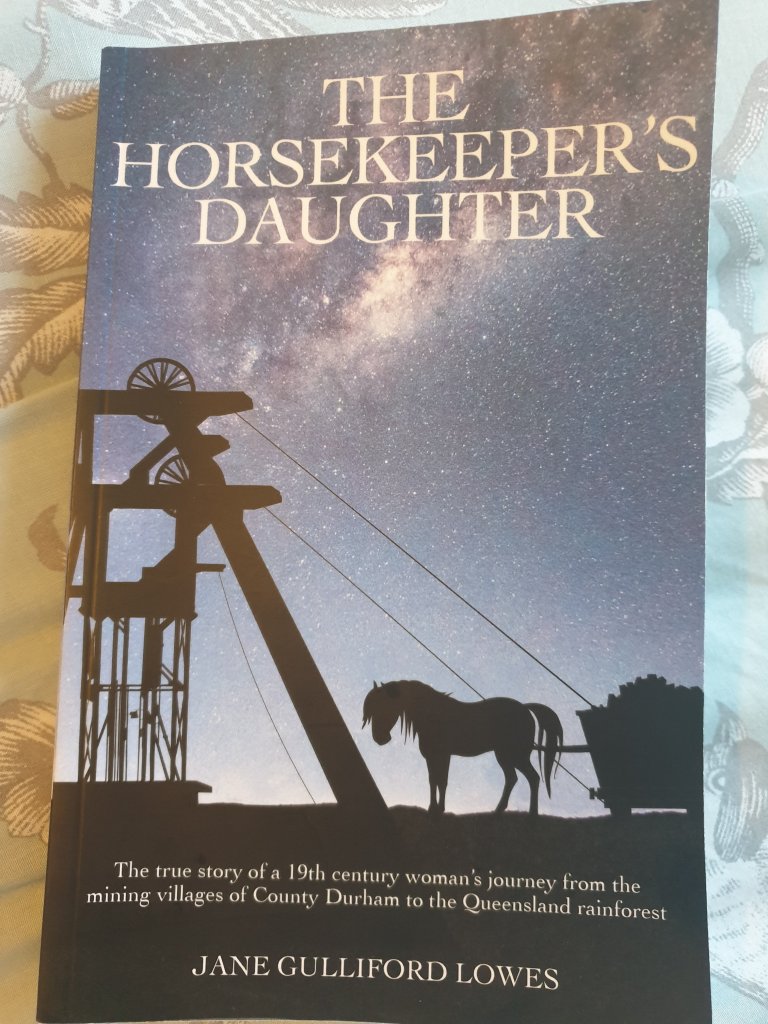
Review – The Horsekeeper’s Daughter

‘The Horsekeeper’s Daughter’ has been sat in my reading pile for well over six months at this point. I seem to start every book review with this disclosure, perhaps I should ask my employer for reading breaks in lieu of smoking breaks so I can actually finish all the reading I want to? That probably wouldn’t go down well. But anyway, I digress as usual. My dad actually recommended this book to me so, naturally, I nodded politely and feigned enthusiasm while putting it in the ‘never going to actually pursue reading that’ part of my brain and forgot all about it. I came across the author much later on Twitter and from a few things she posted about the book, my curiosity gradually got the better of me and I gave it a chance. Now, I’m mostly just irritated that my dad was right about something. There’s a first time for everything, yes?

‘The Horsekeeper’s Daughter’ is very difficult to explain, because it is non-fiction, but reads like a fictional novel. I know, confusing. If I’m honest it’s the non-fiction aspect which initially put me off as I (wrongly) assumed it would read like an academic paper and I just don’t enjoy those at all. The ‘story’ is centred around the author, Jane Gulliford Lowes, discovering her family history through a box of old photos and treasures she inherited from an aunt. Her curiosity about the story behind these photos leads her on a journey of discovery through Victorian Seaham to, ultimately, present day Queensland.

My father’s side of the family are from Seaham (big up the Clyde family who do in fact get a shout-out), and it’s a very difficult place to explain if you don’t know it. To an outsider, Seaham is a bog-standard, North-East ex pit village (think Billy Elliott), which it is in a nutshell but like many places, there is so much more to it and it only takes a slight scratch of the surface to discover a rich history. I won’t go into what a lot of the rest of the North East think about Seaham folk because it’s neither accurate nor appropriate, but it is fair to say that it’s a unique place with quite a niche culture and history; one which even I never truly appreciated or understood, despite having familial roots there.

Although the story is generally about the author discovering her family’s history, the focal ‘character’ of the book is Sarah Marshall, who leaves her family behind and ventures, alone, to Australia on the single female migrant scheme. Absolute power to that woman is all I will say – a single woman leaving everything behind and gambling on the prospect of a better life, especially in 1886, is almost too ridiculous to be true but I LOVE it. It makes me want to say cheesy things like ‘you go girlfriend’, which I would never actually say in real life, but seriously, you go Sarah. I found myself forgetting for the majority of the book that Sarah was actually a real person and this wasn’t some fearless, feminist, fantastic creation by the author for the purpose of a good story. She serves as an important reminder that fact can sometimes be even stranger and more exciting than fiction.

That’s not to downplay the author’s role in the storytelling, however. Sarah’s story is captivating yes, but it’s the writing which brings her to life. The same applies for the locations in which Sarah’s journey takes place; Seaham and Queensland are almost secondary characters in the story and show how environments can be a product of the inhabitants who shape them, as well as the other way around – especially during such turbulent periods of history. The descriptions are completely captivating, which again is so incredible for a non-fiction writer. I still live near Seaham now, so I’m familiar with the layout and a lot of the history, but as I followed Sarah and her family’s movements through the village I was almost seeing a different place; Victorian Seaham was coming to life in my head without my existing impression of present-day Seaham distorting it. I felt like I was discovering a new place entirely which is a difficult thing to achieve, and was really special for me as both a reader and a local.

“Occasionally something happens which completely changes our perspective of that which we know and love. It can be something as simple as discovering a new footpath across familiar fields which affords us a fresh view of our homes in the distance. Sometimes it is the discovery of a secret about a dear friend or relative which can deepen or extinguish the bonds between us. Perhaps it is an event or circumstance or coincidence that casts the familiar in an unfamiliar light, the places we have known and loved for a lifetime seen through a different lens.”

It’s hard to summarise the ‘plot’ with it being a non-fiction story, but I laughed and cried throughout, and enjoyed it every bit as much I would a fictional novel, if not more. The path of Sarah’s family and their lives both in Seaham and Queensland does not run smoothly, but such is the case with real life stories; and I must admit I did quite like that. Sometimes the predictability of a fictional character’s inevitable satisfying end where all the sub plots and challenges are tied up nicely can get a little bit tedious. Jane Gulliford Lowes’ passion for history, especially that of the focal locations in the book, is apparent within every word and is what breathes life into the more factual aspects of the narrative, but the wonderful writing which underpins Sarah’s inspiring story really brings the whole thing together and provides the foreground needed to explore the two unique (yet in many ways similar) locations. The Horesekeeper’s Daughter is a perfect example of how some stories, no matter how humble, simply need to be told.

“No matter how carefully we plot our desired future course, no matter how methodically we map out our hopes and dreams, so often fate intervenes. This intervention can take a myriad of forms.”

Seaham – definitely not just a bog standard pit village.

Re-reading

Here’s the thing. For someone who reads as much as I do, the one thing people are always shocked to hear is that I have never re-read a book in my adult life. When I was a kid I obviously had my favourites which were regurgitated every bedtime, but past about the age of thirteen I have never thought to re-visit an already completed story. My mum once said that her only fear of dying was that she would die before being able to read every book ever published which, although was meant as a joke, is a very valid point if you ask me. With new books constantly being churned out by publishers, and a whole abundance of already published material – why would you waste time repeating books when there are so many more to discover?

Recently, I’ve been off reading a bit. I know, just pick your jaw back up from the floor whenever you’re ready. I have already posted about losing my mojo generally, which inadvertently led to me putting down the books for a while. But, I think part of it as well was the fact that my chosen read at the time was a book I’ve wanted for quite a while, which sadly turned out to be a disappointment. I’m not going to name and shame, because the book isn’t bad in itself, perhaps it was just not to my writing style, but every time I sat down to read it; it felt like a case of ‘right I have half an hour let’s try and get this chapter finished’ as opposed to ‘let’s try and squeeze in as much reading as I can because I can’t wait to see where the story goes’. Reading is supposed to be fun, and that was not conducive to a good relationship between me and my favourite hobby, so it’s no wonder I lost motivation altogether. It was like coming home to a tedious relationship – which would be ludicrous to continue doing if it didn’t improve. So, as an experiment, I decided to re-read a book I loved as a teenager and see what happened.

Initially, it was a really odd experience. Because I loved this book so much as a teenager, the plot was well cemented in my memory and certain words and phrases triggered memories I hadn’t realised were still there. It was like when you’re really little and running so fast that your legs haven’t quite caught up with your body – I knew what was coming and my brain was working faster than my eyes were reading the words. However, although I thought I knew this book inside-out, at certain points I had wonderful moments of re-discovery, in the same way that smells can trigger memories from childhood which you’d forgotten entirely. Also, and this is possibly because I was re-reading this story as an adult rather than a teenager, I had a couple of ‘penny dropping’ moments with certain plot points which I’d completely missed previously. Again, it’s possibly because I’m now a grown-up who cries at everything and not a stone-cold teenager, but I was really surprised to find myself having a genuine emotional reaction to some tougher chapters. I think this is possibly because I already had that familiarity with the characters – the challenge for authors wanting to create an emotional reaction from the reader is to get the reader emotionally invested in the characters first. When you’ve read the story before, that’s already been achieved, so I was able to enjoy the story in a new way.

So, my experience of re-reading was pleasantly surprising. It’s apt that I’m writing this the day after watching a new film I’d been wanting to see, which turned out to be rubbish and I’m still annoyed that I wasted my Saturday night on it – when I could’ve re-watched Mamma Mia for the fiftieth time and had a great night. I’ve definitely learned that there is nothing wrong with revisiting already-loved stories, in the same way we all love coming home to a treasured favourite film; and, that forcing yourself to read something that you are simply not enjoying is not a good idea. I actually did that last year with a different book (*cough* Wuthering Heights, *cough* I know it’s a classic but it’s just not good), and it felt like wading through treacle to get to the end which was a complete waste of my free time which could have been spent genuinely enjoying something else.

Losing My Mojo

Disclaimer: this not an April Fool’s post.

I realised over the weekend that my last blog post was a month ago, now, I’m not egocentric enough to believe my followers are waiting with baited breath for my new posts, nor are they losing sleep over my welfare due to the recent lack of activity. However, I do feel a need to briefly apologise for my recent lack of attention to this blog, the reasons for which I will now go into – please have violins at the ready.

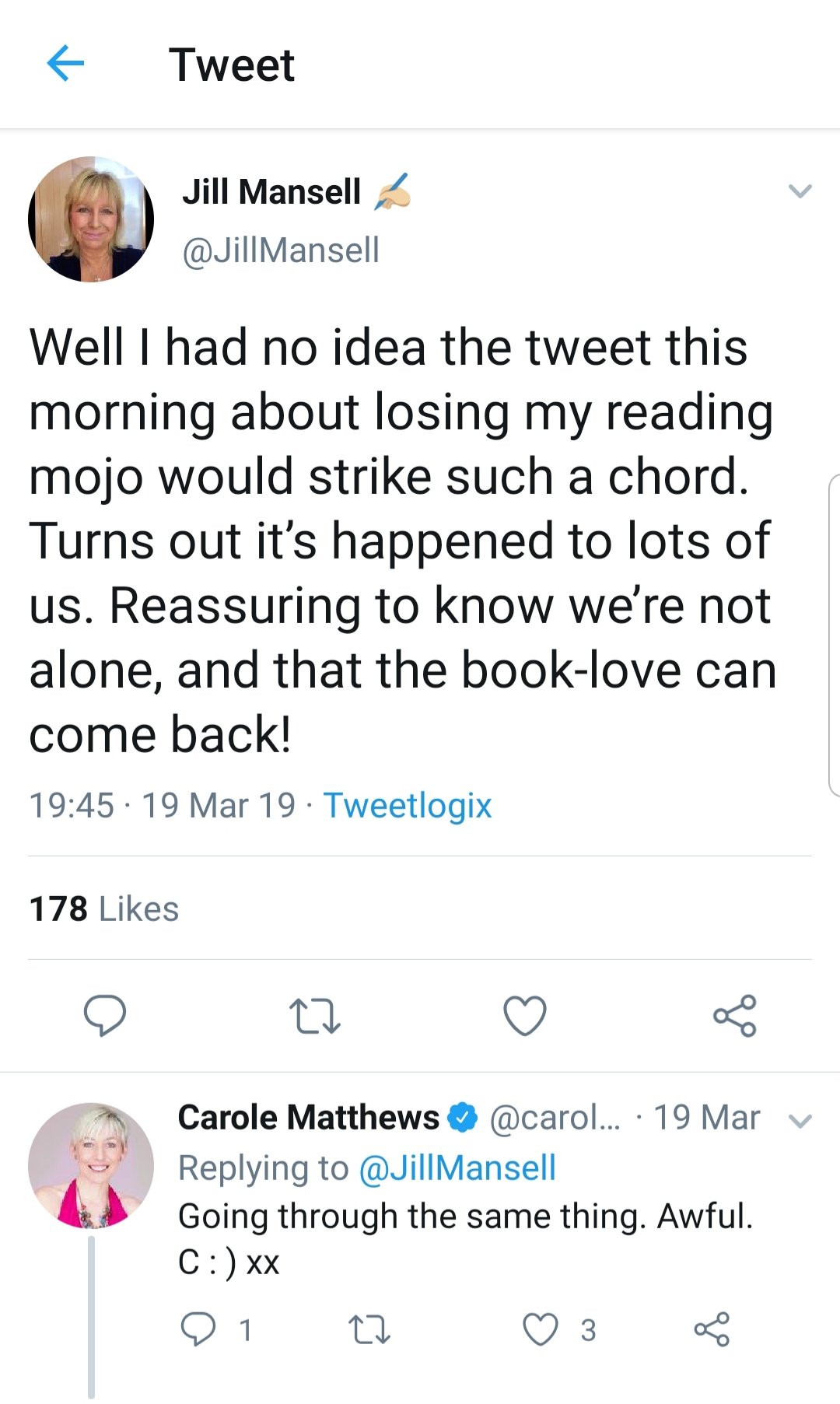
I’m just going to hold my hands up at this point and be honest in saying – I lost my mojo. I wasn’t actually going to write about this, I intended to just draw a veil over the last few weeks, pick up another book and review it like nothing had happened. But, I saw a tweet last week from Jill Mansell talking about how she lost her love of reading for about eight years and recently got it back. Anyone who’s even skim-read this blog will know that me losing my love of reading for eight years is extremely unlikely to happen, but, people responded to Jill with so many similar messages about losing their mojo for reading, as well as other things, and I was really quite surprised.

I am one of those people everyone hates, who seemingly crams 48 hours’ worth of activity into 24 – I work full time in a fairly demanding job, I’m planning my wedding, I read, I blog, I work out, I see all my friends and family, my house is always immaculate and I always have time to cook great meals from scratch. Sue me, I like to appear perfect, okay? Or so I did. Up until about three weeks ago I was spinning all of those plates perfectly; if anything, I was standing on one leg while spinning them all and making it look completely effortless. Like the proverbial duck, I was gliding along the water gracefully without anyone seeing the mad paddling of my legs underneath. But, like all people who attempt this and think they’re invincible, I made a mistake. I took my eye off one of the plates to focus more on another which was starting to drop. And what happened? Within about two days, they were all on the floor smashed to pieces, with me left standing like a lemon and feeling a bit sheepish. At that point, I didn’t want to pick any of them back up. I didn’t want to read, I didn’t want to blog, didn’t want to plan the wedding – for a few weeks it was a case of putting one foot in front of the other as best I could and trying not to cry in public (I failed at that, unsurprisingly).

Around that time, I saw someone on social media post that ridiculous Elizabeth Taylor quote which is always doing the rounds, about pouring a drink and putting lipstick on and acting like nothing is wrong. Well, I tried that, and even a large drink didn’t help. I know it absolutely wasn’t meant to be malicious, but seeing that quote just made me feel ten times worse. The plates were smashed so badly at that point that there was no way I could kick them under the sofa, put lipstick on and pretend like it never happened – all I could do was start gluing them back together and I just didn’t want to. So, what did I do? Nothing. I did nothing at all for about three weeks. I didn’t read, I didn’t write, I stopped bothering with the gym, I even sacked off wedding planning for a bit and I felt awful about it. I went to work obviously, I have a contractual obligation to do that, but I did little else. However, taking that time somehow allowed me to recharge and start formulating a plan to put the plates back together, and then once I’d managed to glue one back together, the others didn’t seem so bad.

So here I am, a month later, gluing the ‘writing’ plate back together. Thankfully this is the last plate to get back in the air, and it’s getting there. I have no reviews to post yet because I’m only just getting my reading mojo back, but, thanks to Jill Mansell, I know that’s alright. It’s slowly coming back, and eventually it will be back to where it was, and now I know that’s fine. Your patience is appreciated during this period of self pity.

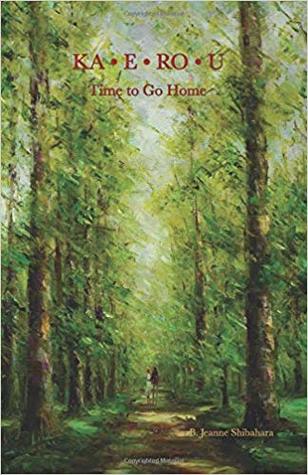
Review – Kaerou: Time to Go Home by B. Jeanne Shibahara

I consider my literary taste to be very diverse, I literally do not judge a book by its cover and will give anything a try. However, when the lovely B. Jeanne Shibahara sent me a copy of Time to Go Home I must admit I was intrigued, finding something which is so unique is quite rare for someone who reads as extensively as I do. It sounds ridiculous to say but I would struggle to put this story into a particular ‘genre’ as it crosses over historical fiction, romance, mystery, humour and even military history at times – it seems to have a bit of everything which is unusual and it can’t be an easy task to add so many genres into a mix and make it work – but, like sweet and salty popcorn, sometimes mixing things up can be a great thing.

Time to Go Home follows Meryl, a Vietnam War widow whose grown son has moved to Japan and is struggling to find her place after her father remarries. For one reason or another, a Japanese flag from WW2 ends up in her possession, and she begins the task of trying to reunite it with the soldier’s family, leading her to embark on a journey through various locations in Japan, meeting an eclectic mix of characters along the way. The thing which struck me most within this story was the rich history behind each character, at first I was a bit confused as to why secondary and less important characters had such intense back stories, but it added so much depth to the overall plot and placed all the historical events in a much more relatable context for the reader, allowing for a more emotive response to the story.

World War Two has a tendency to be “over-done” within historical fiction, but the Japanese involvement is sadly something which is, at least in Britain, completely overlooked. The same applies for the Vietnam War, after each chapter I found myself Googling various things to understand when they took place and what the conflict was actually about. It was really refreshing to read historical fiction about something other than The Tudors and The Blitz, and if Shibahara hadn’t taken the time to give some historical back stories to the characters, the emotional impact of the time periods described would have been lost on me. It is one thing to understand the facts of what happened, but another experience entirely to read about it from a person’s own point of view and lived experience, even if parts of it are fictional. All of these emotional stories built up to the climactic finale of Meryl reuniting the flag with the sister of the soldier to whom it had belonged, and the similarities between their experiences of loss, despite being on opposite sides of the conflict and yet somehow connected, was very moving.

“In Japan…everywhere…red strings tie all people we meet together. Some strings are weak. Some have tangles. Some strong.”

Whilst exploring Japan, Meryl meets friends of her son’s who guide her through the new culture. It was refreshing again to read about a culture with which I’m completely unfamiliar, I felt like I was Meryl at times – exploring a new land with new friends. Fiona and Jo were my personal favourites, they provide a comedic relief from the seriousness of the rest of the plot, which is necessary for the reader but also very enjoyable in itself. They reminded me a bit of Fiona from Four Weddings and a Funeral with their dry humour and sass towards each other; which was a nice break at times from the more dominant themes of loss and moving on from difficult experiences. However, Fiona still shows her softer side towards the end which was an interesting twist which showed her in a very different light than I had expected to see but nevertheless enjoyed.

“Their cultures, personalities and generations were each as different as any two extremes could be, but the women had grown fond of one another…the labels society had stuck on them had fallen off”

As always, I don’t like to spoil books too much in my reviews, as it defeats the object of persuading someone else to read it. However, one of the final scenes between Meryl and the Professor in the cemetery once she returns from Japan was very moving and probably my favourite scene in the book. Also, the very end provides such a twist that I never saw coming but loved – it’s ironic that Meryl’s son Byron is a focal character from the first pages but isn’t revealed until the very end, but the twist is definitely worth waiting for.


Review: Courage of the Shipyard Girls

If you’ve read any of this blog so far, you’ll have picked up a slight hint that I like The Shipyard Girls. I plan my reading year around The Shipyard Girls. I stopped reading another book so that I could read this one. I have put aside a new book for which I have waited a year to be released, so that I could read Courage of the Shipyard Girls. As usual, I’ll try my best to keep this spoiler-free since Courage has only just been released and I know not everyone reads like me (i.e. consuming books like an anaconda desperately devouring its prey). For anyone who is totally new to The Shipyard Girls saga however, I would suggest you read my earlier post first to get a general idea of what the saga is and why it’s so brilliant (shameless self promotion there).

In the words of the great Julie Andrews, the beginning is a very good place to start. Like anyone who read Victory for the Shipyard Girls, I went into Courage of the Shipyard Girls with an overwhelming anxiety over what had happened to Tommy. I was so cheesed off about this at the end of Victory that, when I went to the signing for it, I said probably no more than five words to Nancy Revell. This was in part due to my anxiety at meeting a hero, but more to do with a desire to retain self-control and not flip tables while screaming in poor Nancy’s face ’IF YOU’VE KILLED TOMMY OFF I WILL COME AFTER YOU’, and being publicly blacklisted from my local Waterstone’s. Again, I don’t want to spoil it for anyone who hasn’t finished yet, but all I will say is that I will be going to my local signing for Courage, and there is no risk whatsoever of me flipping tables.

Then the other big development from Victory was Helen’s pregnancy which, I must admit, I was really excited for because I just wanted to see that little snake get what was coming to her. However I am going to hold my hands up and admit something I never thought I would say – I now feel sorry for Helen and sort of like her. Anyone who hasn’t finished Courage yet has probably just made the decision to stop reading this post, but I’m telling you once you’ve finished this one your opinion will be different. The relationship between Helen and Gloria was really sweet, as Gloria has somehow managed to melt the ‘ice queen’ side of Helen and draw out her kinder side that nobody knew was there (except Gloria and Nancy Revell). Also, at the end of Courage Helen is initiated into the Women Welders’ squad, which is something I never saw coming but am now looking forward to seeing pan out more. I have said before that there are no Kellys or Michelles in Thompson’s Shipyard, and while all of the main squad retain their fierce Beyoncé status, I have to say that although I like Helen being part of the crew, I don’t fully trust her yet and she remains at Kelly or Michelle level. This will be reviewed after book #7 however, because it’s become very clear how much Nancy Revell loves a plot twist and changing the reader’s opinion of the main characters – which is one of the many reasons why this saga consistently feels fresh and doesn’t feel close to being done.

Seeing another side of Polly was another thing that really stood out for me in this one. Having a saga with so many principal characters (and even more supporting characters) must be so difficult to write – I have images of Nancy Revell spinning plates like a circus performer trying to keep all the storylines going. Polly was my favourite Shipyard Girl in the beginning but she seemed to fade out in favour of some bigger plots in the last couple of instalments. It was great to see more of Polly again but even more intriguing to see her more vulnerable side. We all know our Women Welders are made of strong stuff, so seeing one of them hurting was a breath of fresh air, in an odd way. And for existing fans of the saga like myself, I found the juxtaposition of Polly and Bel’s relationship really interesting as it reminded me of the first Shipyard Girls book when Polly found Bel on the bedroom floor following the news of Teddy’s death, and was quite reminiscent of Polly taking Bel home when they were children. I always had the image in my head of Polly being the sturdy one who looks after Bel and it was interesting to see this go the opposite way.

“Rosie didn’t question whether Polly was up to work because she knew that she wasn’t up to not working. Building ships might not mend her broken heart, but it would help her survive”

The whole air raid sequence was the high point of this book for me, and I can’t fathom anyone disagreeing with me on that point. Given the time period in which this saga is set, there have been tense moments of a similar nature before, but never quite on this level and this was the first time a Shipyard Girls chapter genuinely drew tears out of me. Perhaps it’s because by this point in the series the readers are now extremely invested in the characters, I certainly feel like I know these girls as friends, so having them placed in such an intensely dangerous situation was very difficult to read. It was the first time in this saga I properly felt the emotional impact of the period in which the girls were living and I know this must be absolutely nothing compared to the real life experience of not knowing whether loved ones were safe after air raids; but for people like myself with no real connection to this time period I think this is as close as we can get to feeling that, which is no easy feat for an author so once again, hats off to Nancy Revell for making these stories come alive for the reader.

I know everyone says this about new books, but I would hand on heart say this was my favourite in the whole Shipyard Girls series. I loved all the previous books equally as they all tell different tales and have different themes, but taking characters I thought I knew and showing me different sides of them, combined with the air raid sequence absolutely blew the other instalments out of the park. The air raid sequence was the high point of the whole series for me, it was like a film’s climactic battle scene where every character had her bravery and strength put to the ultimate test.

“Blimey, the whole squad was here…Rosie looked like Boadicea going into battle with her cohorts behind her”

The timing of the release of this book is also very apt, in my humble opinion, because Sunderland is getting a bit of bad press at the moment. If you ask Netflix, we’re all hooligans with no other purpose than to watch football and brawl in the streets; if you ask the national news, we’re all racists who voted for Brexit like turkeys voting for Christmas; and if you ask the Crime and Investigation Network, this is a shell of a formerly great city with murder rates and drug problems rising in equal measure following the closure of the pits and the yards. To a degree, Sunderland is some of these things, but we are also the city that inspired Alice in Wonderland, that brought the world The Futureheads and Vaux beer, where Joseph Swan was inspired to invent the lightbulb and two of our lads are currently on the England football squad. This is a city of hard workers who would give their neighbour their last stottie if they needed it more, and would do so with a smile. As the Sunderland-born daughter of a former shipyard worker I can categorically verify that Mackems are hard working, friendly people who make strong ships and even stronger women, and if Nancy Revell hadn’t allowed the voices of our former Shipyard Girls to be heard, this may well have been forgotten. So on a personal level, I would just like to take the opportunity to say thank you to her.

“From the moment the klaxon sounded out the start of the day’s shift, every man and woman at Thompson’s shipyard worked flat out, as did every other worker in every other shipyard, engine works, factory, ropery and colliery on both sides of the river.
Their actions spoke louder than their words. They would not be beaten”

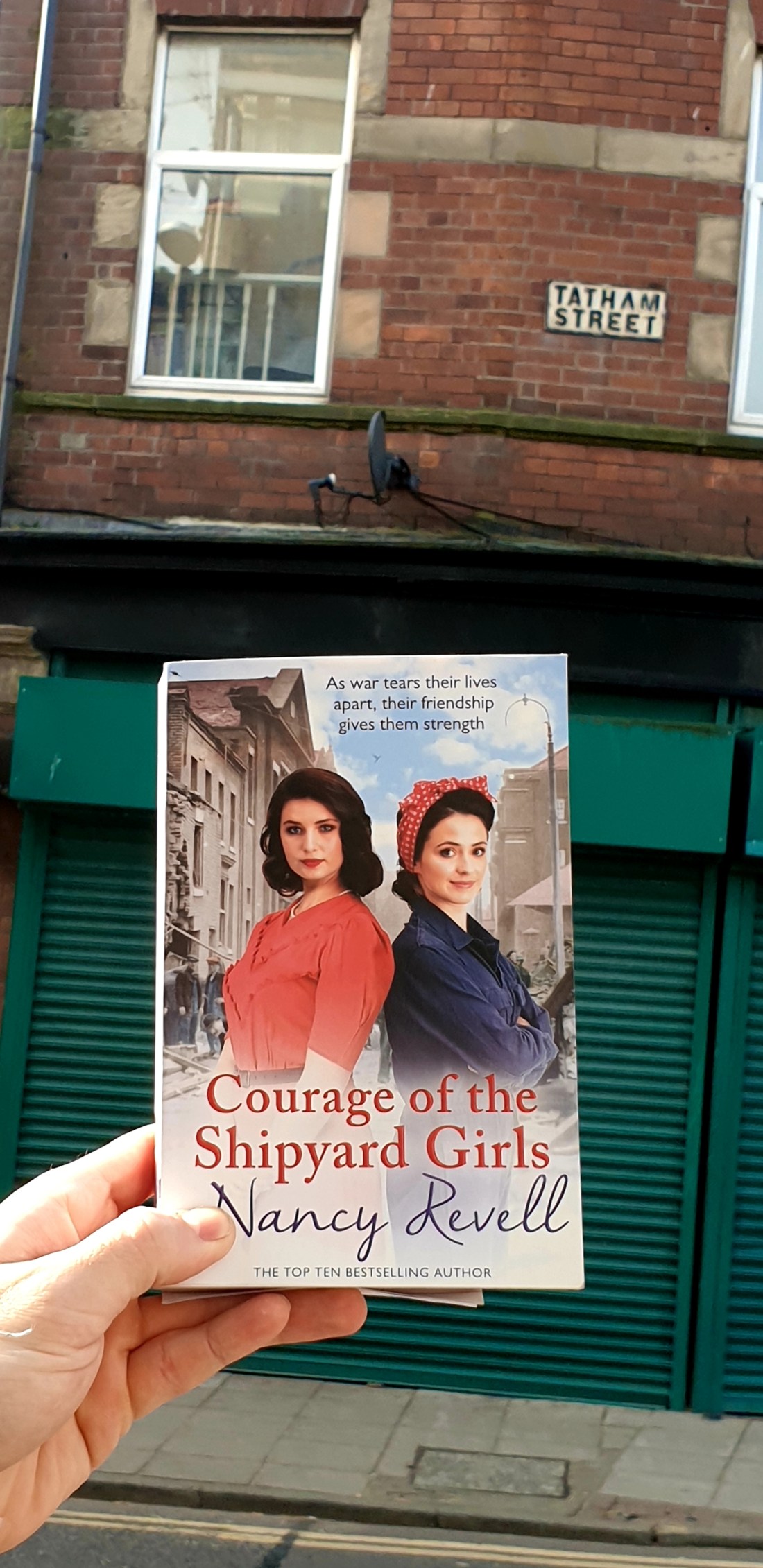
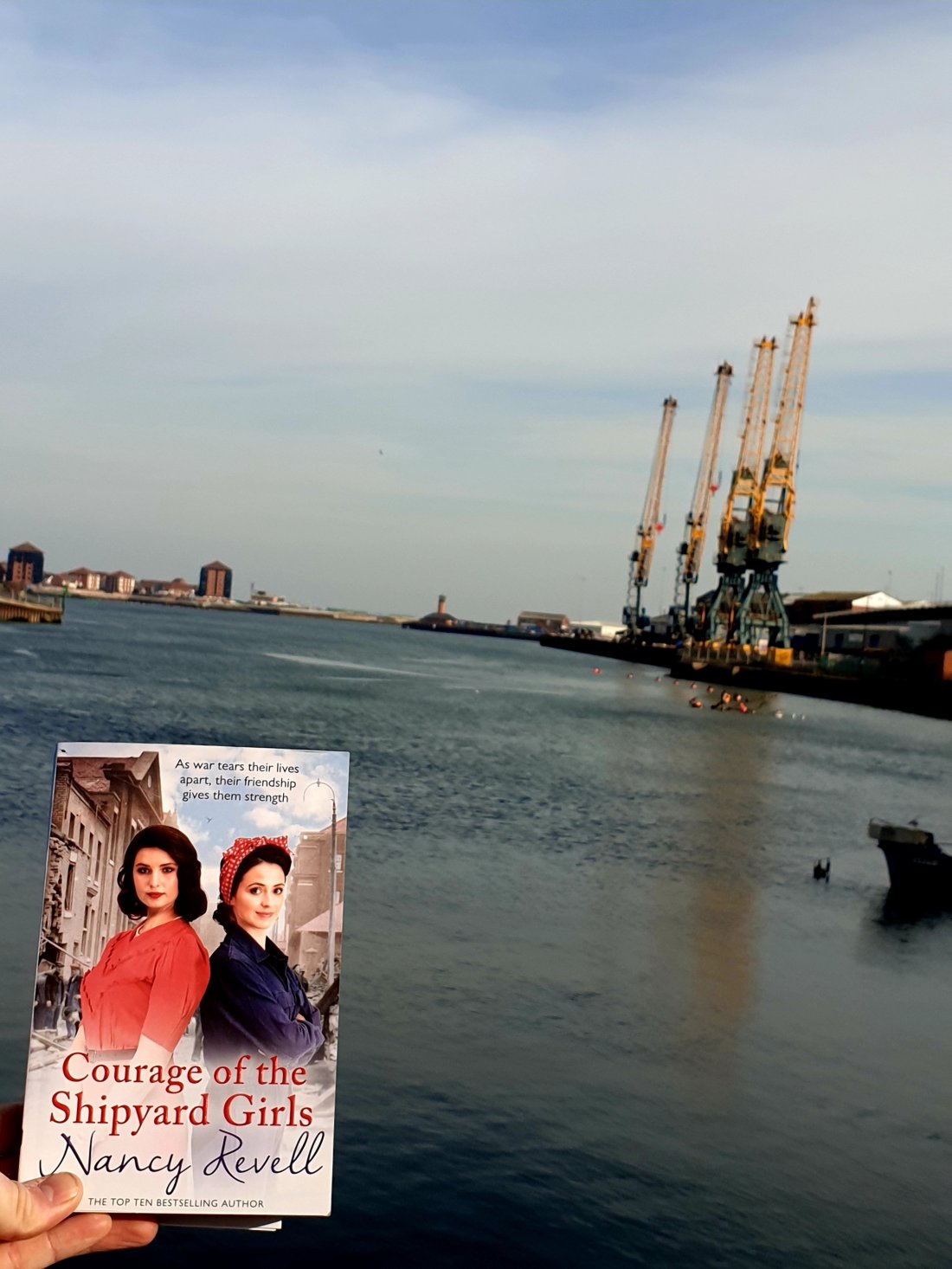
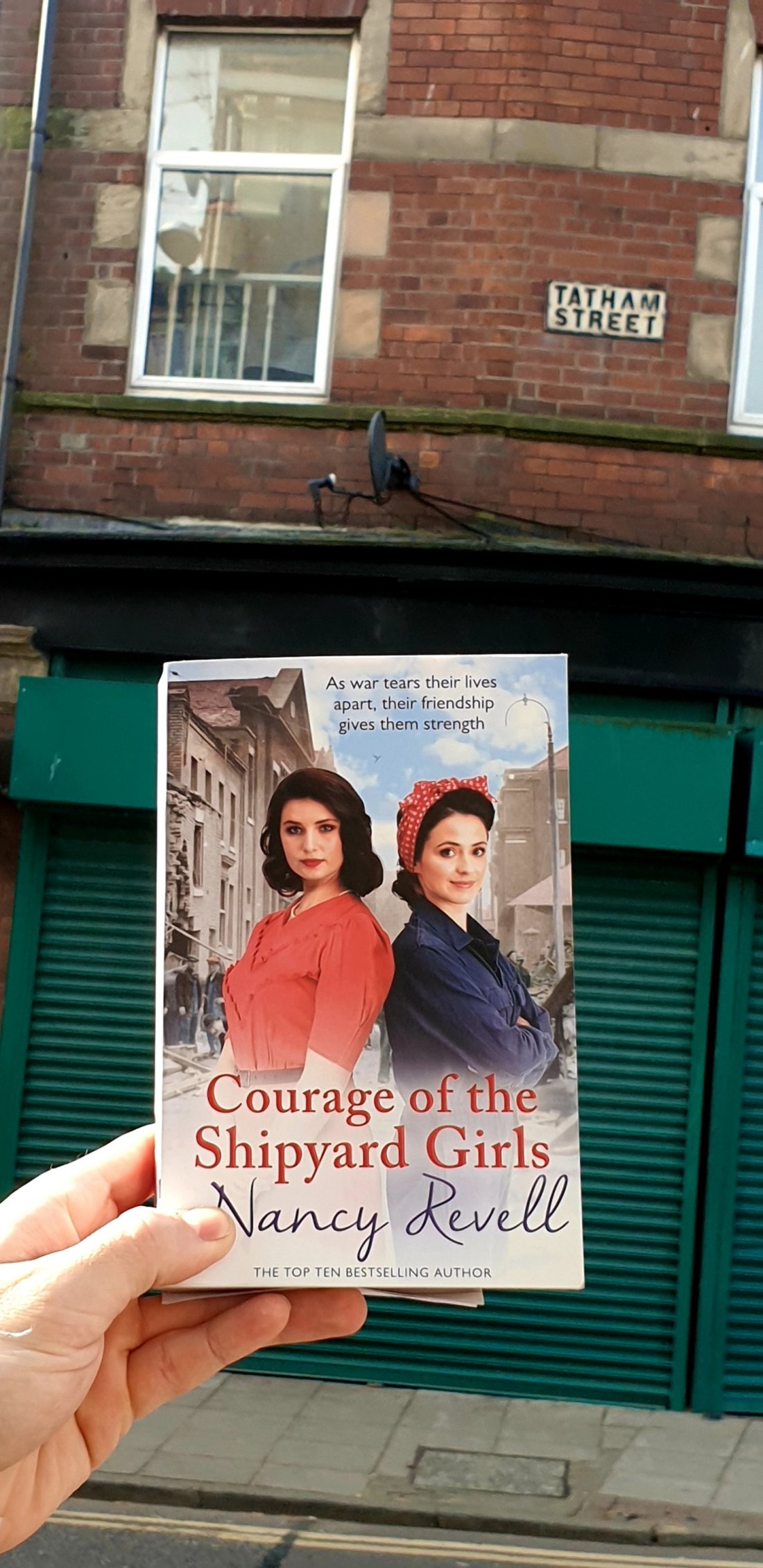
Took my copy on a little walk around Sunderland…

Review – The Stone Circle by Elly Griffiths

It’s almost embarrassing that I’ve had this blog for about six months now and have yet to make a specific mention of my love for Elly Griffiths’ Ruth Galloway series, but the most recent instalment was released at the beginning of February so it seemed the perfect time to profess said love. I first came across this series back in 2017 when I picked up The Woman in Blue by chance at my local Waterstone’s and was completely hooked, so I did what any rational person would do and consumed the previous seven books in the space of a couple of weeks. Although I loved the entire series, I do wish I’d realised at the first instance that the book I’d picked up was part of an existing series and had read them in chronological order because I ruined some quite major plot twists for myself by starting on book eight.

Ruth is one of my many, many literary heroes. Living alone in a cosy yet creepy cottage on the edge of Norfolk’s saltmarsh which I always imagine as Kate Winslet’s cottage in The Holiday but surrounded by an eerie fog, is basically the dream. She’s independent, intelligent and fiercely feminist which I love, and her day job is as an archaeology lecturer but somehow seems to get called in by Norfolk Police to examine murder victims’ bones at regular intervals. The only real plot hole in this saga is that people continue living in this area despite there seeming to be a new murder case approximately every six months.

Whilst I’m on the topic of Elly Griffiths’ fictional version of Norfolk Police force, this brings me to DCI Harry Nelson. Ah Nelson, how you confuse my emotions. I hated Nelson at the start of this series – he’s a narcissistic, indecisive pig who just loves to have his cake and eat it too. However, he’s also incredibly charming and clearly cares very deeply about both Ruth and his wife – we’re twelve books in now and I still go back and forth over whether I want him and Ruth to ride off into the sunset together and spend their remaining years solving crimes and doting on Kate, or stay as far away from each other as humanly possible because in many respects they are simply not compatible. To maintain any good saga, characters have to continually develop and this is something that Elly Griffiths absolutely nails. Keeping a story fresh after twelve books about the same set of characters is no easy feat, but I still feel like I’m seeing new sides of everyone every time I pick up the next book.

The Stone Circle probably wasn’t my favourite of all the Ruth Galloway series; I’d struggle to say which one was because I read them in such quick succession but A Dying Fall definitely stood out for me – the undertones of Pendle Witches made it extra creepy, though all Ruth books hvea given me a few creepy chills. However, that’s not to say I didn’t love The Stone Circle. The pinnacle of a good saga is that when a new book comes out, you feel like you’re catching up with old friends and this was no exception. Having a lot of principal characters, all of whom have intertwining plots and secondary characters around them, keeps the story fresh all the time and Elly Griffiths achieves that perfect balance for the reader where we can dive back in and know the characters inside out, but still be excited about fresh plots and new journeys on which they’re embarking.

Like every book in the Ruth Galloway series, I was immensely frustrated by The Stone Circle not answering the big question of what the future holds for Ruth and Nelson, and I’m still conflicted as to whether I want them to be together because Elly Griffiths does not like making things simple. The Stone Circle followed Ruth’s usual mysterious pattern of there being a really obvious culprit for whom it makes logical sense to have committed the crime, but you just know there’ll be a twist and the murderer will end up being someone you completely disregarded after the first few pages. Twelve times Elly Griffiths has fooled me with that. Twelve. The introduction of new characters created yet another layer to Ruth’s complicated story, and I’m quite interested to see if Star returns in book Thirteen and I would also like to keep seeing more of Michelle’s point of view. It would be great if Frank is explored more next too, because as much as I love Nelson I do also love Frank – which is precisely Ruth’s dilemma at this point in her journey.

Although it feels at this point like I’ve under-sold The Stone Circle, I do highly recommend the overall Ruth Galloway series. Each time I pick up an RG book I get completely sucked into her eerie world of lonely countryside and suspicious dark strangers appearing in the dead of night, which always makes me feel like I need to put the fire on and dim the lights – even if it’s the height of summer.

Review – The Stranger Diaries

Ah, the Waterstone’s January sale, how I love thee. Said sale was so good this year that I actually bought hardbacks! I never buy hardbacks; they hurt to hold, they look ugly on the shelf and the dust jacketsalways slide off – it’s a no from me. However, I’d had my eye on this Elly Griffiths gem for a while so was beyond thrilled to have found it half price. I went into The Stranger Diaries (TSD) with mixed feelings; I am a huge (probably too much so) fan of Elly Griffiths’ Ruth Galloway series, but I tried her Stephens and Mephisto series and just could not get into it. So, I assumed this standalone novel would be like either one of the above, a literary Marmite, if you will. And I’m pleased to say that, much like actual Marmite, I loved it.

For existing Ruth Galloway fans, it was very Galloway-esque (is that a word?) so of course I was completely invested by chapter two. Clare Cassidy is very much a less likeable Ruth Galloway, she’s very middle class and somewhat of a loner when she isn’t teaching but you do find yourself wondering why something seems slightly ‘off’ about her. Of course, with this being an Elly Griffiths, I trusted nobody until the very last page. The thing I really love about Griffiths’ work, which was absolutely the case with TSD, is that every character, no matter how insignificant, has a rich history. Not only does this make you care about what happens to the characters and their individual journeys, but it always completely throws me off the scent of who the killer is; I constantly wonder to myself “well why is she going into this much detail if that person doesn’t have some sort of significant link to the mystery?”, and the answer is – because she’s a bloody brilliant writer. Most mystery novels have a really obvious suspect who you know isn’t going to be the killer by nature of it being so obvious and convenient, so it then turns out to be the quiet, goody-two-shoes sidekick of the protagonist whom nobody suspected at all, and that’s why I generally don’t like this genre – it usually follows this set formula.
I don’t want to spoil the ending for people wo haven’t read it, but I was completely unable to narrow down who I thought the killer was. The actual killer was on my list of possible theories so I did figure it out in a sense, but it was a case of me knowing it without knowing I knew it. If that makes any sense at all (probably not).
As with the Galloway series, TSD is set in a sleepy village which is a fifty-fifty split for the reader between envy at the characters living in such a picturesque, country village, and a sense of ‘I would never relax if I lived there and would be constantly looking over my shoulder whilst making plans to move to any other town, so long as it has a Starbucks and a population of more than ten thousand. Again, as with other Griffiths stories, there is an alarmingly and statistically fairly improbable amount of murders occurring within a few mile radius, but that can absolutely be overlooked because it is all in the name of creating a perfect, eerie ambiance – something which should be encouraged at all costs.
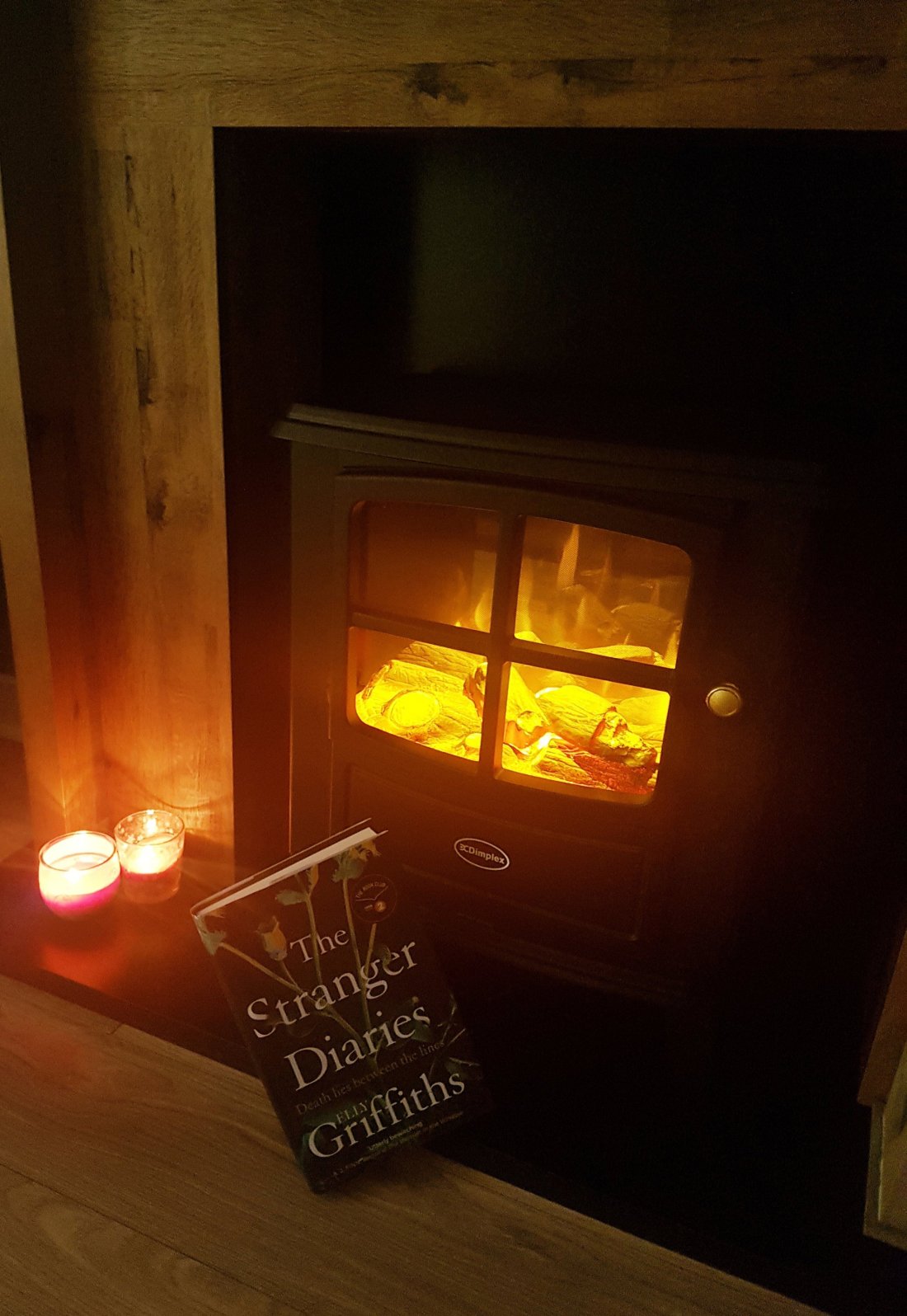
So, in the usual Clyde review style of not actually saying anything about the plot and focusing more on my various obsessions with the characters’ lives/generally wanting to be certain characters, The Stranger Diaries is an excellent standalone mystery read. As it is set around Halloween and has a lot to do with witches and the supernatural (as well as good old-fashioned murder), it would be the perfect read for a dark, October evening snuggled up by the fire with a hot drink. And there is also a cute dog, so if that doesn’t sway you then I don’t know what will.

Best enjoyed by a warm fire on a cold evening.

Childhood Literary Heroes

Like a lot of book lovers (and most daughters of English Literature teachers), my love of reading began very early in life. And after recently reading The Librarian, which follows a children’s librarian as she introduces sheltered village children to the exciting world of books, it got me thinking about the books I loved while growing up. However, listing all the books I loved as a child would take several days and spill over multiple posts (clearly I wasn’t a very social child), so instead I decided to pick out some key characters who became personal heroes because, realistically, you cannot have a great book if it doesn’t include great characters.

#1 – Pippi Longstocking

Okay so I’m cheating a little bit on this one because I never physically sat down and read any of this series, but I had the audio versions of all of them on cassette (showing my age slightly here), which I listened to until the tape wore out so the sound became grainy and the tape became knotted. I was in absolute awe of Pippi; how independent she is by living in her own house, as well as how confident and self assured she is in everything she does. I desperately wanted to live in my own house like her – I used to daydream about it all the time, to the point where I started using the decrepit, mouldy old Victorian outhouse of my parents’ home as my ‘house’, where I would sit and fantasise about what it would be like to sail the high seas with Pippi and her father.

All great book characters should be people we aspire to be like, and I wanted to be Pippi so much that I dressed up as her for three consecutive World Book Days – complete with pipe cleaners in my plaits and a soft monkey sewn to the shoulder of my dress. Her fierce courage, self confidence and independence is definitely something I hope has carried through to my adult life.

#2 Georgina Kirrin – The Famous Five

I adored Enid Blyton books when I was growing up: The Famous Five, Secret Seven, The Faraway Tree, Mallory Towers, The Twins at St Claire’s; if Blyton wrote it, then I was reading it. I personally think her work hasn’t aged at all, but in the age of iPads and Fortnite, it pains me to think that children probably don’t get gangs together and go around the countryside solving mysteries together any more. The youth of today, honestly.

George is a really interesting character to look back on, because from a 2019 perspective, there is clearly an underlying gender identity issue within her, which makes it incredibly relatable for today’s kids, but is ironic because I highly doubt Enid Blyton’s conservative 1940’s view would particularly match up with this. Nonetheless, as a total tomboy misfit myself, six or seven year old Esther really needed to know that it was okay to not be feminine all the time. I don’t know if it was life imitating art or vice versa, but my young self absolutely was the George of all my friendship groups – independent, bossy, a self-imposed ringleader with a fiery temper, but probably underneath quite insecure about herself and incredibly loyal to her friends. George’s relationship with Timmy the dog was also a key feature for me, because when I got my dog Tilly at eleven she became my most trusted friend, and still is to this day. I like to think Tilly is as loyal as Timmy and would defend me from rogue treasure hunters, but she is now thirteen and probably wouldn’t wake up from her nap long enough to notice, but in our youth we definitely made a great mystery-solving double act.

#3 – Tracy Beaker

‘Finally, an actual 1990’s reference which proves she didn’t grow up in the 1940’s’ I hear you cry. Yes, like all 90’s babies, I grew up totally obsessed with Jacqueline Wilson. I think I started reading Tracy Beaker a little bit younger than I should have, but my ignorance as to why she was in a children’s home and what social workers really were probably heightened my enjoyment of the story. As far as I was concerned, Tracy lived in a really fun boarding school like Mallory Towers, where there were no parents and the kids could run riot – my secure, middle-class upbringing seemed a bit rubbish in comparison really.

Obviously now I’m older I understand what the premise of the story was, and it was great to meet Tracy again last year when she returned in print for one last time as an adult. Jacqueline Wilson stories all featured some kind of trauma – poverty, abuse, addiction, bullying; maybe this is why my generation are in a mental health crisis and all seem to support left-wing politics. But, it’s hugely important to address these issues and make kids aware of the world in which they’re growing up – I went to a really deprived primary school and had no real understanding of what other kids were going through until I discovered Jacqueline Wilson. I digress, but Tracy was a relevant, present day version of Pippi Longstocking. Tracy was on her own – she had no allies, unlike George’s Famous Five, and she preferred it that way. Like most kids, I did have periods of my young life with few or no friends as a result of silly fall-outs, but whenever I found myself alone I would channel Tracy’s independence and bravery, and know that it would all work out okay in the end.

#4 Lyra Belacqua – His Dark Materials

I started reading His Dark Materials when I was about nine or ten, so a similar age to Lyra in Northern Lights. As with all the other characters in this list, her independence and courage is what initially hooked my attention, but unlike the others I don’t think I wanted to be Lyra so much as I wanted to be friends with her. Lyra and Roger’s friendship was something I really wanted to be a part of; although I did have my own friends I hadn’t experienced that kind of deep bond – probably because I didn’t live in a magical world where most of the adults were trying to kill me. But nevertheless, I wanted in.

I have never seen the film version which came out in my early teens, and I don’t have any desire to. It’s been so long since I read this trilogy that I struggle to remember the plot, but I didn’t want to see the film and have the version of the characters I have kept in my mind all these years, replaced by someone else’s interpretation. In short, I wanted to keep my Lyra and Roger for me. It’s crazy that I can’t really remember what happens in the books, but I remember Lyra, Roger, Lord Asriel and Mrs Coulter like they’re friends I’ve had for years. I still have a very clear image in my head of all four of them (especially Mrs Coulter who gave me nightmares), which to me is a sign of excellent writing.

#5 Matilda Wormwood

I am ashamed to confess – I saw the film version first. As a rule of thumb, I ALWAYS read the book first. But, Matilda was released in cinemas when I was two, so my family had it on video by the time I was three or four, and my sister and I watched it daily. I did go on to read the book, and all of the other Roald Dahl books – George’s Marvellous Medicine has to be my all time favourite, my sister and I used to make our own concoctions of it to try and make our parents grow bigger than the house. I watched Matilda again recently as an adult, and it has aged to perfection. All children feel at some stage like they don’t fit in with their family, and all younger siblings like myself can relate to feeling like the black sheep under the older one’s shadow for one reason or another. For some reason, I interpreted the story of Matilda as her gaining her super powers as a result of her reading so much at the library. And so began my ability to binge read books for hours on end – is reading something I enjoy, or is it an addiction I developed from a deep desire to gain super powers? Who will ever know? But I’m glad I became a reader nonetheless.

Although this is a post about my main literary heroes, I wouldn’t feel right mentioning Matilda without mentioning the secondary hero – Miss Honey. My reception teacher, whose name I won’t mention, was Miss Honey. Her name was different, she was from Liverpool and looked different, but I was utterly convinced, to the point where I used to call her Miss Honey and she would respond. I was already able to read before starting school (thanks to my older sister who somehow at eight years old managed to teach me), and this teacher saw my love of reading and nourished it into what it is today. She let me read through other lessons and break times – something you would never get away with now in the days of the National Curriculum, and I know teachers don’t have favourites but I like to think I was hers. I cried real tears, which came out in really loud ugly sobs on the last day of reception because she wasn’t my teacher any more. Perhaps the fact that I was the child who was crying about leaving school while all the other kids were bouncing off the walls to be free for the summer is the reason I had so few friends and spent my childhood immersed in books, but I digress. For various reasons which I won’t go into, our families stayed loosely in touch after this and I attended Miss Honey’s funeral when I was seventeen. I hadn’t spoken to her since I leaving infants’ school, but I don’t mind admitting that I was completely crushed to hear that she had died, and I remember looking at her photo on the coffin and feeling like no time had passed. Great teachers, like great books, stay with you for a lifetime – my love of Matilda, and consequential obsession with my Miss Honey, shaped my lifelong love of reading, which feels like a very fitting note on which to end this post.